According to the Global Footprint Network, an international research organization that develops and promotes tools to advance sustainable development, we are in a situation of ecological deficit. The consequences of climate change are already present today, as demonstrated by the current 6th Assessment Report of the Intergovernmental Panel on Climate Change (IPCC). Combating climate change is a keystone of the ecological transition. Limiting temperature rises to 2°C by 2100 requires a gradual transition from fossil fuels to renewable energies.
In order to reduce CO2 emissions, it is first necessary to have inventoried them. It also means knowing how to assess emissions correctly, using a common method. Several internationally recognized standards, including the ISO 14064 series of voluntary standards, are valuable tools for providing a basis for calculating and verifying greenhouse gas balances, i.e. carbon footprints. Thanks to these standards, emissions calculations can be compared and verified in the same way. As a result, countries, companies and local authorities committed to reducing their emissions (for example, as part of theParis Agreement of December 2015) do so with the assurance of speaking the same language: declaring direct or indirect emissions in CO2 equivalent refers to identical units and perimeters from one player to another.
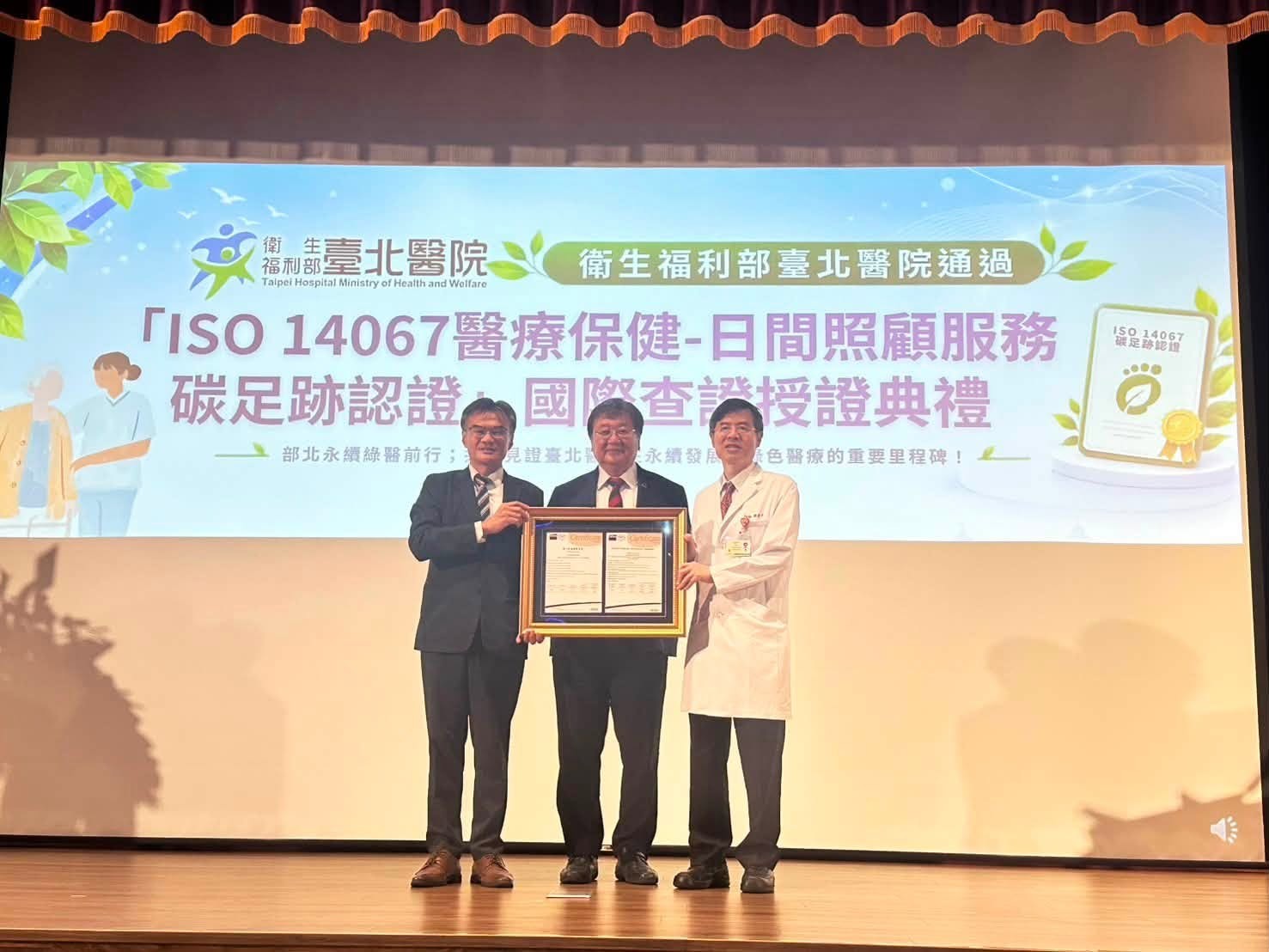
In the same spirit, ISO 14067 , which takes up the fundamentals of ISO 14064, sets out requirements for reducing the carbon footprint of products overtheir entire life cycle (LCA). This standard enables an organization to take appropriate measures to reduce the GHG emissions generated by the good or service under study. Knowing the carbon footprint of a product is useful for consumers, giving them an idea of the consequences of their act of purchase in terms of its contribution to climate change. Indeed, each product undoubtedly has an impact on the environment throughout its life cycle. Finally, this standard, ISO 14067:2018, Greenhouse gases - Carbon footprint of products - Requirements and guidelines for quantificationwill enable organizations of all kinds to calculate the carbon footprint of their products and better understand how they can reduce it.
Since this year, two AFNOR Group branches have been able to provide this service:
- GUTcert GmbHour German subsidiary was one of the first verification bodies to be accredited by the German Accreditation Body(DAkkS) for corporate carbon footprint verification.
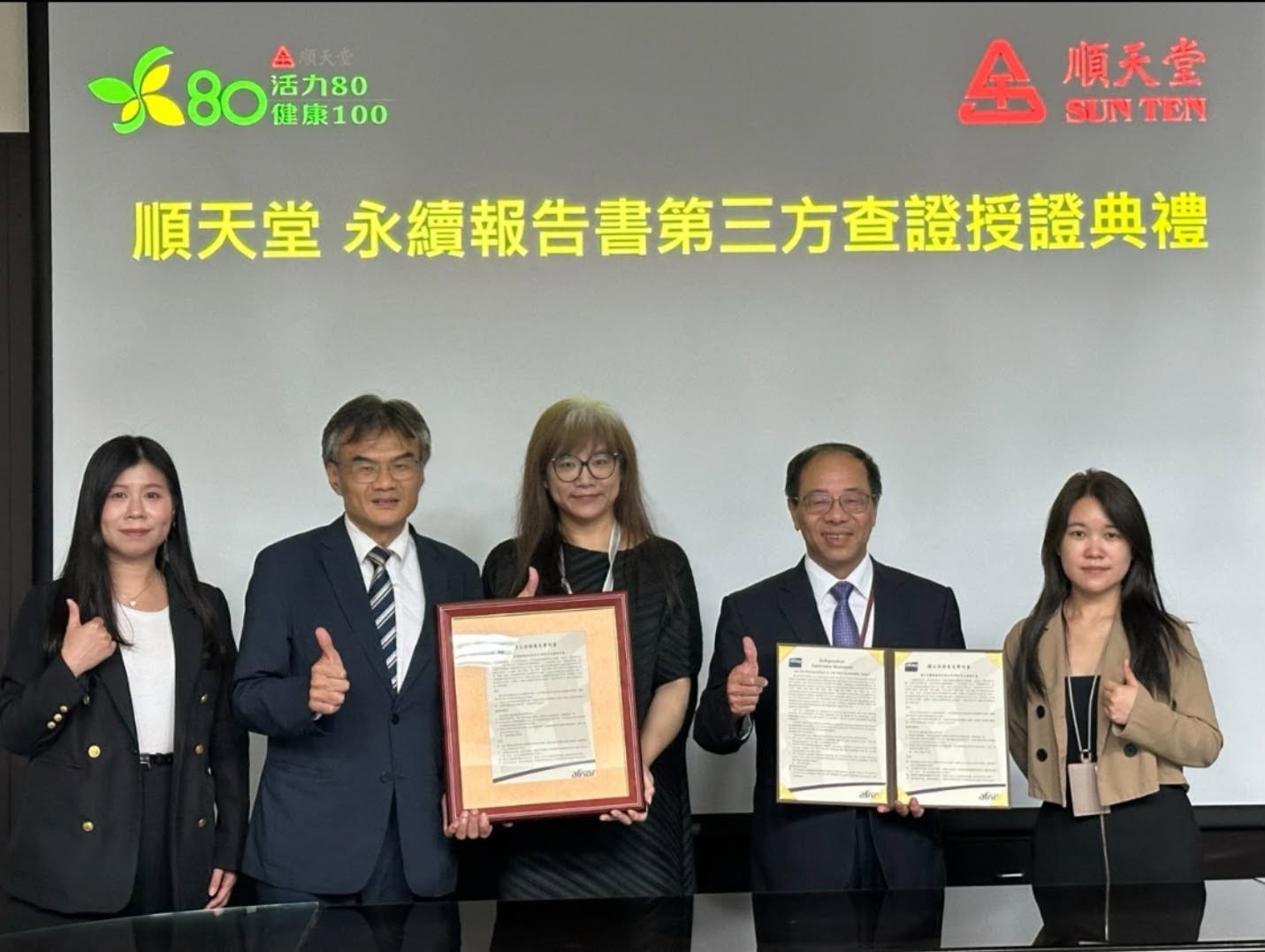
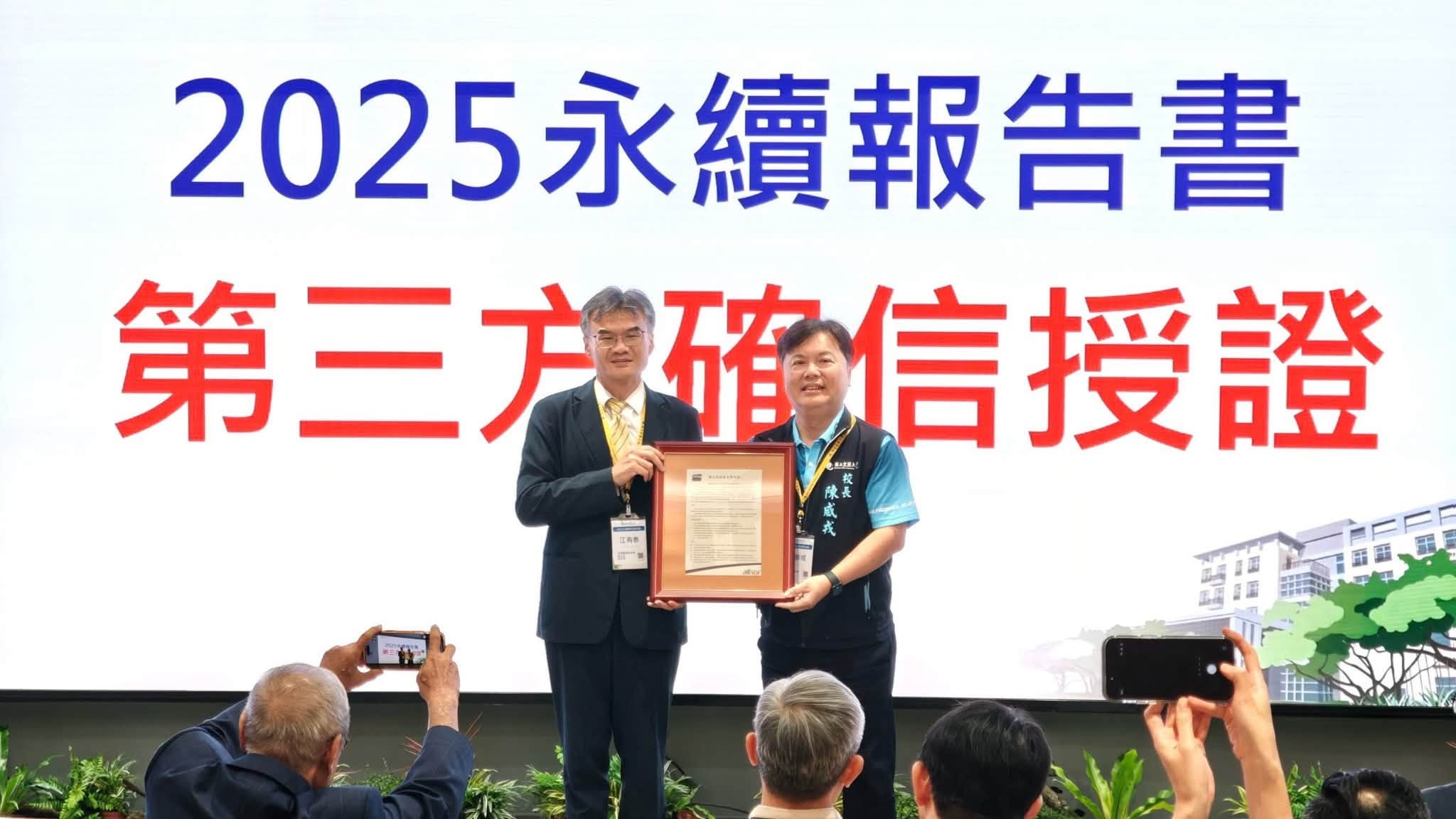
- BellCERT GroupBellCERT Group, our office in Taiwan, is now recognized by the local accreditation body (Taiwan Accreditation Foundation) to deliver this service in the country.
Read more