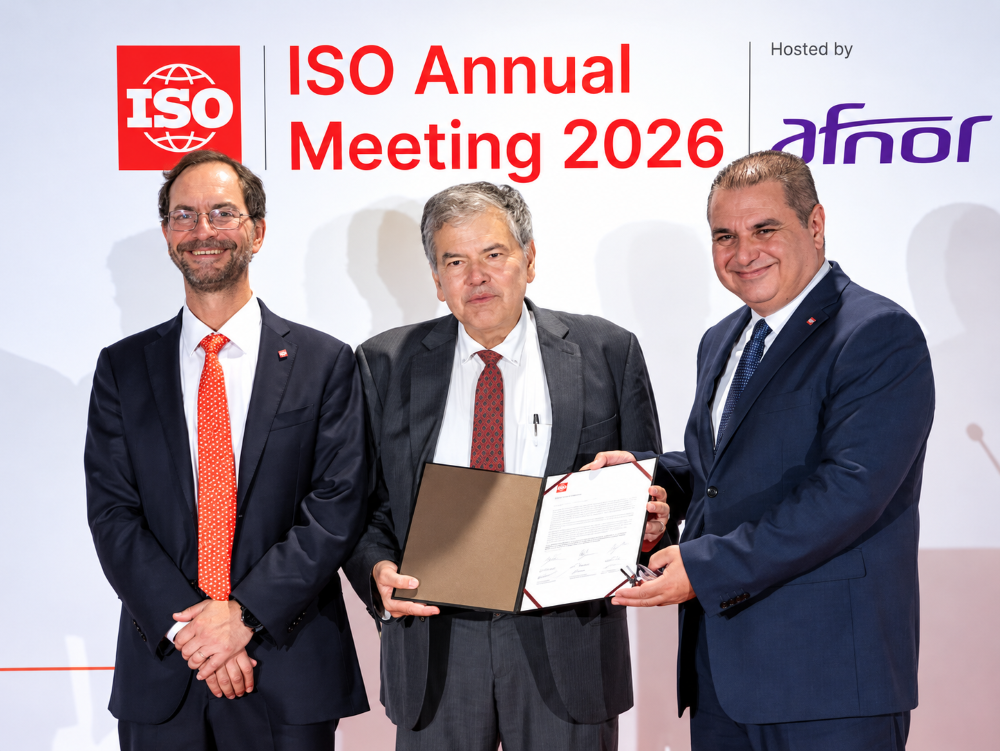
February 2026 marks a significant milestone for global environmental standardization. Five new international standards have been published to address issues that have become critical: electrification of end-use applications, security of collaborative systems, environmental impact of electrotechnical products, validation of sustainability information, and green logistics. These developments reflect a marked acceleration in regulatory and societal expectations of companies, regardless of their sector or geographic location.
These publications come at a time when ISO 14001, the global standard for environmental management, is itself undergoing a major revision. The Final Draft International Standard (FDIS) for ISO 14001:2026 was published in January 2026, heralding a major shift in the existing framework. This revision reflects a profound shift in the sustainability landscape:intensifying climate risks, loss of biodiversity, increased demands on supply chains, and growing reporting requirements. Organizations now have a clear understanding of the new expectations, which place environmental performance at a more strategic level than ever before.
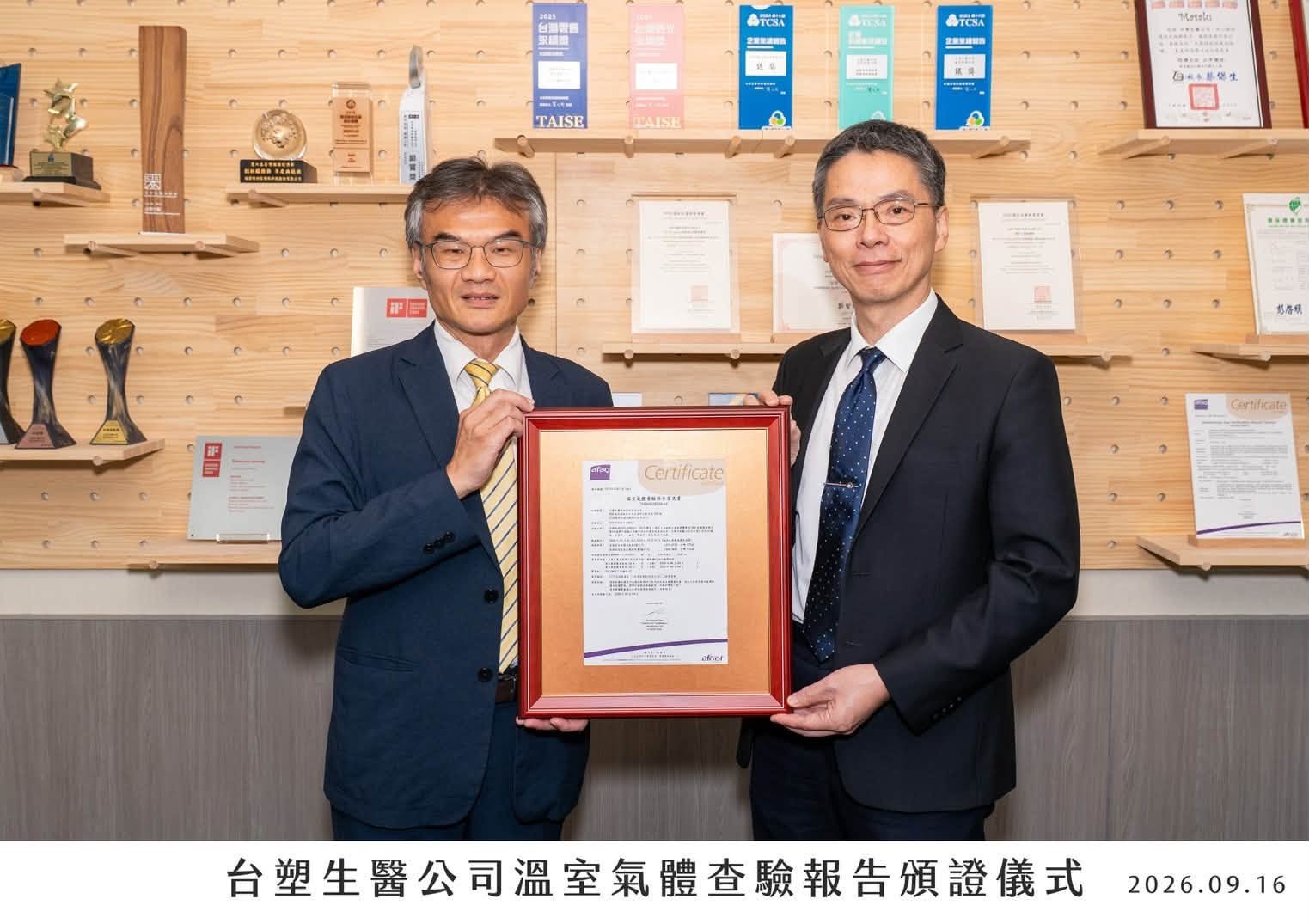
These regulatory changes are part of a broader trend toward stricter requirements. In February 2026, ISO also published ISO 14064-5:2026, a standard dedicated to the remote verification and validation of greenhouse gas emissions reports. This standard addresses the rise of digital environmental audits and the need to ensure the reliability of carbon data in the context of increasingly stringent international reporting requirements.
For businesses, these new standards are not merely technical updates. They reflect a profound shift in expectations regarding transparency, impact management, and the ability to demonstrate credible environmental performance. Organizations must now be able to document, verify, and improve their practices with greater rigor. ISO 14001 and ISO 50001 certifications, as well as CSR initiatives, are becoming essential tools for structuring this transition.
The benefits of a structured environmental approach are, in fact, well documented. According to several international studies, ISO 14001-certified companies see, on average, a 20–30% reduction in environmental incidents, a 15–25% improvement in energy efficiency, and a significant decrease in costs associated with non-compliance. The 2026 revision of the standard further reinforces these effects by placing greater emphasis on resilience, the value chain, and measurable performance.
In this context, organizations that anticipate these changes gain a competitive edge. They strengthen their compliance, improve their international competitiveness, and meet the growing expectations of investors, customers, and regulators. The new standards published in February 2026 present an opportunity to rethink environmental strategies, modernize management systems, and incorporate more robust and transparent practices.
Read more :
- ISO 14001 Certification – Environmental Management System
- AFAQ Biodiversity certification
- ISO 50001 certification - Energy Management
- Assessment ISO 14064-1 - Greenhouse gases for the environment
- Open Learning Training - Energy from Waste & Biomass Fuels
- Open Learning Training - Introduction to the Protection of Transmission and Distribution Systems
- Open Learning Training - Power Systems Protection Course
- Our certification offer
- Our training offer
- Who we are
- Our international network
- Please contact us.