

For the past ten years, the United Nations Sustainable Development Goals (SDGs) have served as a global framework for addressing major economic, social, and environmental challenges. Yet many organizations still struggle to translate their commitments into concrete, measurable, and sustainable actions.
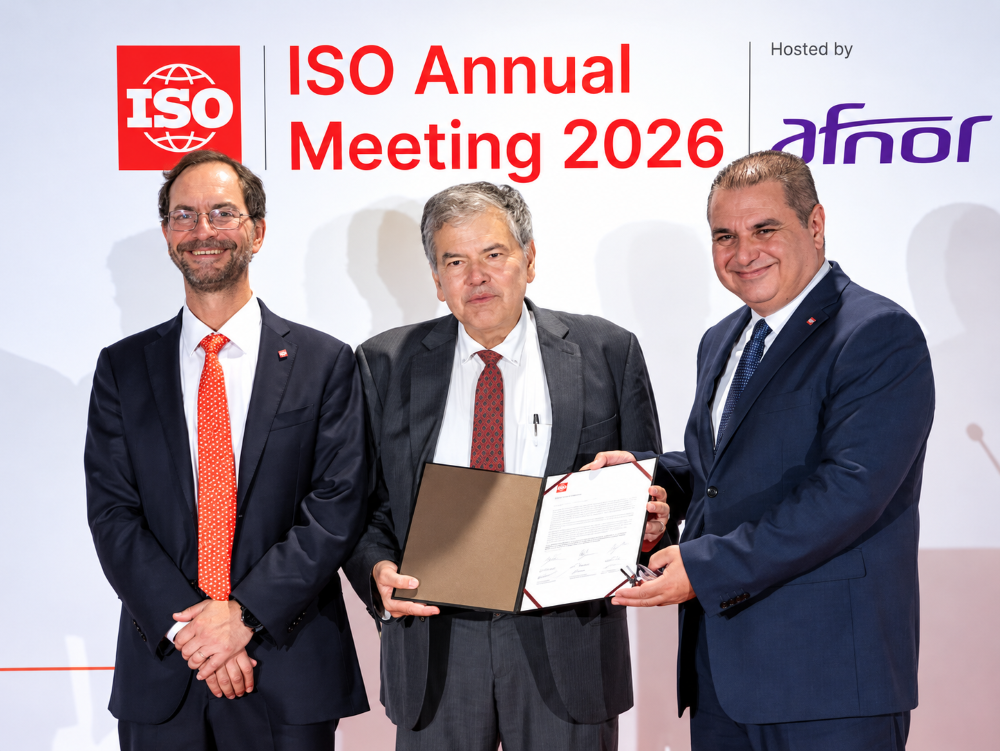
It is against this backdrop that ISO and the UNDP (United Nations Development Program) launched the ISO/UNDP 53001:2026 standard, the first international management system standard dedicated to integrating the SDGs into organizations’ strategies, governance, and operations. This announcement was made during the ISO annual meeting held in Paris from September 28 to October 2, 2026.
For businesses, public institutions, educational institutions, and civil society organizations, this new international standard could mark a turning point in how they steer their sustainability ambitions.
Why a new standard dedicated to the SDGs?
In recent years, expectations from markets, investors, citizens, and public authorities have grown significantly. Organizations are now expected to demonstrate, in tangible ways, their contribution to sustainable development.
While many have adopted ESG goals or aligned their communications with the SDGs, implementation often remains fragmented and difficult to measure.
The ISO/UNDP 53001 standard is specifically designed to address this issue by providing a structured framework that enables organizations to transform commitments into management practices and observable results. It provides organizations with tools to identify their priorities, set goals, integrate the SDGs into existing processes, and measure progress over time.
A management system compatible with existing ISO standards
One of the major advantages of this new standard is its ability to integrate with the main frameworks already used by organizations.
It was designed to complement standards such as:
- ISO 9001 for quality management;
- ISO 14001 for environmental management;
- ISO 50001 for energy management;
- or other management systems already in place within organizations.
This approach facilitates the integration of sustainable development goals into existing governance frameworks while avoiding the proliferation of initiatives and management tools.
A Response to Growing Expectations for Transparency
Credibility has become a major issue in sustainability strategies.
Customers, financial partners, investors, and government authorities now expect more than just statements of intent. They seek evidence, indicators, and monitoring mechanisms that demonstrate that the commitments made are actually generating value and impact.
The ISO/UNDP 53001 standard provides a common language and an internationally recognized framework to enhance transparency, continuous improvement, and accountability within organizations. It also helps structure dialogue with various stakeholders around shared objectives.
An Opportunity for International Organizations
The scope of this standard extends far beyond the realm of private companies.
It is also intended for governments, local authorities, educational institutions, NGOs, development agencies, and international organizations. The framework offers the flexibility needed to focus efforts on the SDGs most relevant to each organization’s mission, context, and challenges.
In a world simultaneously facing climate, energy, social, and economic challenges, this common approach could help strengthen the alignment of actions between public and private actors.
Skills to Develop for a Successful Transition
Like any transformation process, implementing an SDG-oriented management system requires teams to build their skills.
Success depends in particular on:
- executives' commitment to sustainability issues;
- the integration of the SDGs into decision-making processes;
- managing non-financial performance;
- management of indicators and risks;
- continuous improvement.
Training for managers, CSR officers, quality managers, and operational teams thus appears to be a key factor in taking full advantage of this new standard.
A Paradigm Shift for Sustainability
With the launch of ISO/UNDP 53001, ISO and UNDP are taking a significant step forward in structuring sustainable development initiatives on a global scale. By proposing a management system based on shared requirements, the standard offers organizations a concrete method for turning ambitions into results and ensuring their contribution to the SDGs is sustainable over the long term.
For organizations committed to a sustainable transformation process, the challenge is no longer simply to set goals, but to demonstrate their ability to achieve them in a credible, measurable, and continuous manner. This is precisely the ambition behind this new international standard.
Read more