

Logo_100yearsAfnor_CMYK_White
Home > International news > India–EU Free Trade Agreement: a turning point for trust and compliance in 2026

India–EU Free Trade Agreement: a turning point for trust and compliance in 2026

Facebook
Email
Twitter
LinkedIn
Agri-food expertise

The European Union and India have resumed trade negotiations with the aim of concluding a comprehensive free trade agreement. The stakes go far beyond customs duties: the goal is to create a common framework based on trust, transparency, and mutual recognition of standards.

The EU is already India's largest trading partner, accounting for14% of its foreign trade according to the European Commission. For its part, India continues to enjoy sustained growth: the IMF predicts that it will become the world's third-largest economy by 2027.

In this context, companies in both regions express a clear need: to simplify regulatory requirements and harmonize practices. A BusinessEurope study indicates that 80% of European companies operating in India cite regulatory complexity as the main obstacle. Conversely, a FICCI survey shows that 70% of Indian exporters want greater convergence with European standards.

The agreement under discussion could facilitate mutual recognition of certifications, reduce duplicate audits, and accelerate market access. For AFNOR International and our franchise in India, this dynamic opens up a strategic opportunity to support organizations in their compliance efforts, particularly through the ISO 9001, ISO 14001, ISO 45001, ISO 50001, ISO 27001, ISO20000-1, the new ISO 42001 dedicated to AI, and Trusted Blockchain Certification.

In a world where trade is becoming increasingly complex, trust is becoming a strategic asset. The EU-India agreement is a case in point: it places quality, safety, and compliance at the heart of economic cooperation. And this is precisely whereAFNOR International adds value.


Read more :

latest news
from the international network

Agri-food expertise
Taiwan

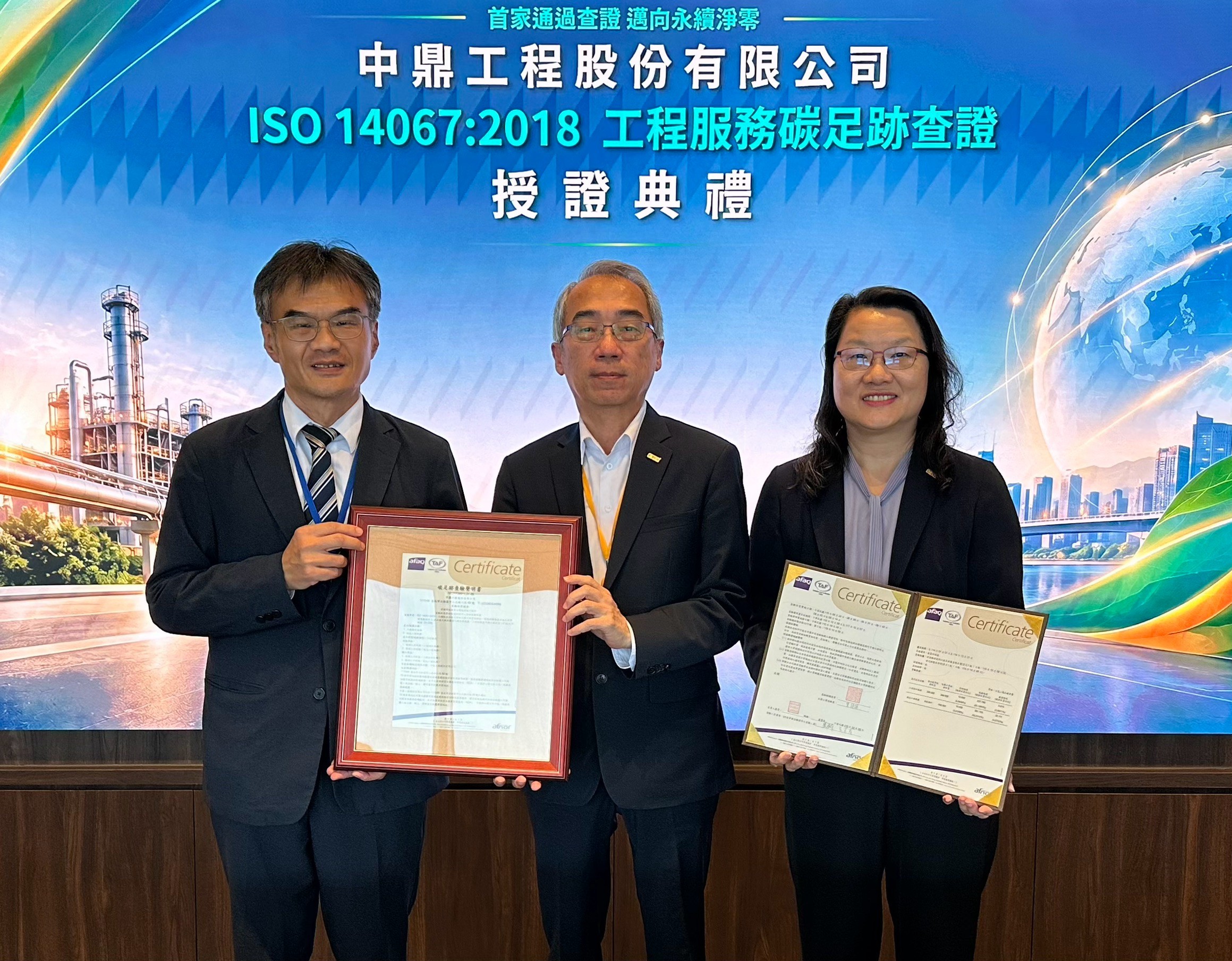
"Fobiao International Certification" Completes ISO 14067 Carbon Footprint Verification for "Zhongding Engineering"

“Fabao International Certification” recently announced that “Zhongding Engineering” has successfully completed ISO 14067:2018 product carbon footprint verification, with the scope of verification covering engineering design services and turnkey engineering services. This verification confirms that the company’s carbon emissions data and management system for its engineering services comply with international standards, making it the first company in Taiwan to complete verification in accordance with the Product Category Rules (PCR) for engineering services. As an internationally recognized third-party verification body, “Fabao International Certification” conducted this verification in accordance with the ISO 14067 standard,and conducted an independent assessment of the carbon footprint scope definition, data collection, calculation methods, and selection of emission factors for “CECC Engineering” services. The verification scope covered life cycle stages ranging from raw material procurement and service delivery to waste disposal. The verification process confirmed that the carbon footprint data possess completeness, consistency, and transparency. “Zhongding” uses “each working hour” as the functional unit to minimize the impact of differences in the scale and nature of various engineering projects on the assessment results, thereby establishing a consistent calculation benchmark. Through systematic inventory assessments, the company has identified carbon emission hotspots in its engineering services, providing a scientific basis for subsequent carbon reduction measures. This verification demonstrates concrete actions taken by the engineering services industry to integrate environmental performance into its management systems. The professional verification team at “Fabao International Certification” noted that the engineering services’ successful product carbon footprint verification signifies that the company has established a quantifiable and verifiable foundation for carbon management. “CEC” has established a management system compliant with international standards, creating an important practical example for the net-zero transition of Taiwan’s engineering industry. “Fabao International Certification” has long provided product carbon footprint verification services, assisting various industries in establishing credible environmental performance data. In the future, it will continue to promote the implementation of low-carbon sustainability goals in the engineering and related industries through professional verification. This year’s conference heard the ISO Secretary-General’s work report and focused on reviewing the implementation of “ISO Strategy 2030,” the digital transformation of standards, commercial policy,the election of governance officials for the 2027–2029 term, and the 2027 financial budget, among other major governance matters, and announced the winners of the 2026 Lawrence E. Archer Leadership Award. Throughout its century-long history, AFNOR has consistently been a key participant and driving force in global standardization governance. During the conference, following a proposal by AFNOR and approval by ISO members, ISO officially released the “Paris Declaration” on addressing climate change in the global standards sector, calling on member countries to leverage international standards to strengthen climate adaptation capacity and development resilience, and to advance the implementation of the global Sustainable Development Goals.

Read more "
Back to top