

Logo_100yearsAfnor_CMYK_White
Home > International News > From Commitment to Action: How the New ISO/UNDP 53001 Standard Helps Organizations Accelerate Their Contribution to the SDGs

From Commitment to Action: How the New ISO/UNDP 53001 Standard Helps Organizations Accelerate Their Contribution to the SDGs

Facebook
Email
Twitter
LinkedIn
Agri-food expertise

For the past ten years, the United Nations Sustainable Development Goals (SDGs) have served as a global framework for addressing major economic, social, and environmental challenges. Yet many organizations still struggle to translate their commitments into concrete, measurable, and sustainable actions.
It is against this backdrop that ISO and the UNDP (United Nations Development Program) launched the ISO/UNDP 53001:2026 standard, the first international management system standard dedicated to integrating the SDGs into organizations’ strategies, governance, and operations. This announcement was made during the ISO annual meeting held in Paris from September 28 to October 2, 2026.
For businesses, public institutions, educational institutions, and civil society organizations, this new international standard could mark a turning point in how they steer their sustainability ambitions.

Why a new standard dedicated to the SDGs?
In recent years, expectations from markets, investors, citizens, and public authorities have grown significantly. Organizations are now expected to demonstrate, in tangible ways, their contribution to sustainable development.
While many have adopted ESG goals or aligned their communications with the SDGs, implementation often remains fragmented and difficult to measure.
The ISO/UNDP 53001 standard is specifically designed to address this issue by providing a structured framework that enables organizations to transform commitments into management practices and observable results. It provides organizations with tools to identify their priorities, set goals, integrate the SDGs into existing processes, and measure progress over time.

A management system compatible with existing ISO standards
One of the major advantages of this new standard is its ability to integrate with the main frameworks already used by organizations.
It was designed to complement standards such as:

This approach facilitates the integration of sustainable development goals into existing governance frameworks while avoiding the proliferation of initiatives and management tools.

A Response to Growing Expectations for Transparency
Credibility has become a major issue in sustainability strategies.
Customers, financial partners, investors, and government authorities now expect more than just statements of intent. They seek evidence, indicators, and monitoring mechanisms that demonstrate that the commitments made are actually generating value and impact.
The ISO/UNDP 53001 standard provides a common language and an internationally recognized framework to enhance transparency, continuous improvement, and accountability within organizations. It also helps structure dialogue with various stakeholders around shared objectives.

An Opportunity for International Organizations
The scope of this standard extends far beyond the realm of private companies.
It is also intended for governments, local authorities, educational institutions, NGOs, development agencies, and international organizations. The framework offers the flexibility needed to focus efforts on the SDGs most relevant to each organization’s mission, context, and challenges.
In a world simultaneously facing climate, energy, social, and economic challenges, this common approach could help strengthen the alignment of actions between public and private actors.

Skills to Develop for a Successful Transition
Like any transformation process, implementing an SDG-oriented management system requires teams to build their skills.
Success depends in particular on:

  • executives' commitment to sustainability issues;
  • the integration of the SDGs into decision-making processes;
  • managing non-financial performance;
  • management of indicators and risks;
  • continuous improvement.

Training for managers, CSR officers, quality managers, and operational teams thus appears to be a key factor in taking full advantage of this new standard.

A Paradigm Shift for Sustainability
With the launch of ISO/UNDP 53001, ISO and UNDP are taking a significant step forward in structuring sustainable development initiatives on a global scale. By proposing a management system based on shared requirements, the standard offers organizations a concrete method for turning ambitions into results and ensuring their contribution to the SDGs is sustainable over the long term.
For organizations committed to a sustainable transformation process, the challenge is no longer simply to set goals, but to demonstrate their ability to achieve them in a credible, measurable, and continuous manner. This is precisely the ambition behind this new international standard.

Read more

latest news
from the international network

Agri-food expertise
Taiwan

Building Global Trust Through a Century of Experience—AFNOR Successfully Hosts the 2026 Annual General Meeting of the International Organization for Standardization (ISO)

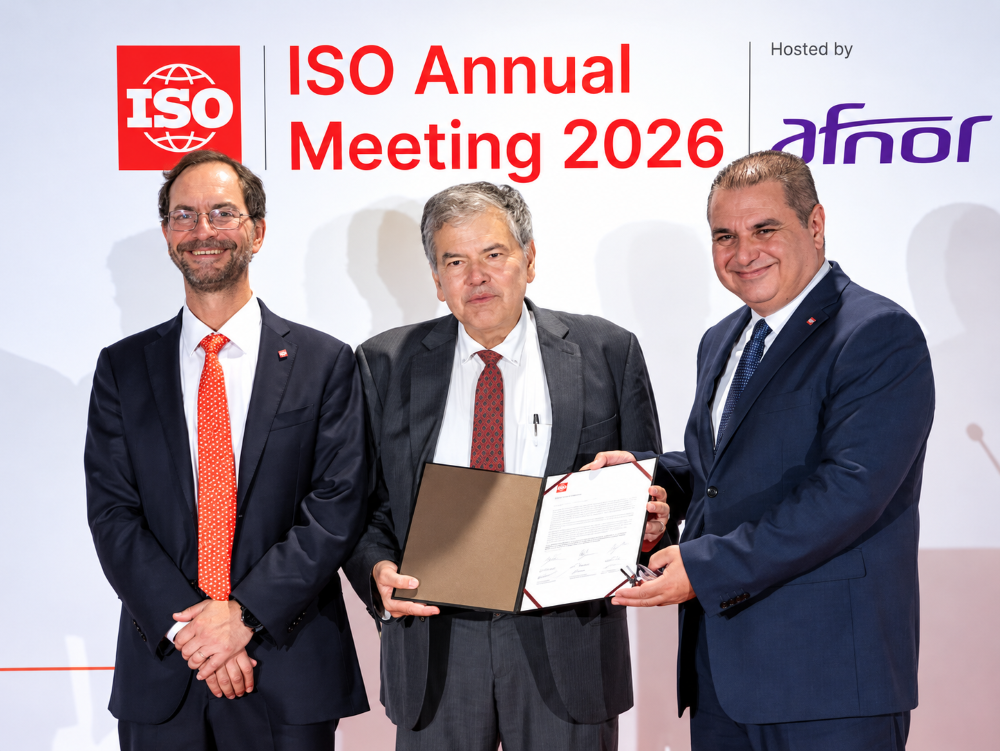
From September 28 to October 2, the 2026 International Organization for Standardization (ISO) Annual General Meeting, hosted by the French Standards Association (AFNOR), was successfully held in Paris, France. As AFNOR celebrated its 100th anniversary, representatives from standardization bodies, policymakers, industry experts, and industry representatives from more than 170 countries and regions around the world gathered in Paris to discuss the key role of international standards in addressing common global challenges. The theme of this year’s conference was “Building Trust in a Changing World.” The agenda centered on three key areas: “People and the Planet,” “Emerging Technologies and Artificial Intelligence,”“Trade and Development.” On the first day of the conference, ISO/UNDP 53001:2026, “United Nations Sustainable Development Goals Management System—Requirements,” was released to help organizations transform the Sustainable Development Goals from commitments into actions that can be managed, implemented, and measured. The conference also hosted a special session on the new ISO 9001 Quality Management System standard, featuring discussions on how quality management can help organizations turn trust into a strategic advantage. This year’s conference heard the ISO Secretary-General’s work report and focused on reviewing major governance matters, including the implementation of “ISO Strategy 2030,” the digital transformation of standards, business policy, the election of governance officers for the 2027–2029 term, and the 2027 financial budget. The winners of the 2026 Lawrence E. Archer Leadership Award were also announced. Throughout its century-long history, AFNOR has consistently been a key participant and driving force in global standardization governance. During the meeting, following a proposal by AFNOR and approval by ISO members, ISO officially released the “Paris Declaration” on addressing climate change in the global standards sector, calling on member countries to rely on international standards to strengthen climate adaptation capacity and development resilience, and to advance the implementation of the global Sustainable Development Goals.

Read more "
Taiwan

"Fobiao International Certification" Completes ISO 14064-1 Greenhouse Gas Inventory Verification for "Formosa Biotech"

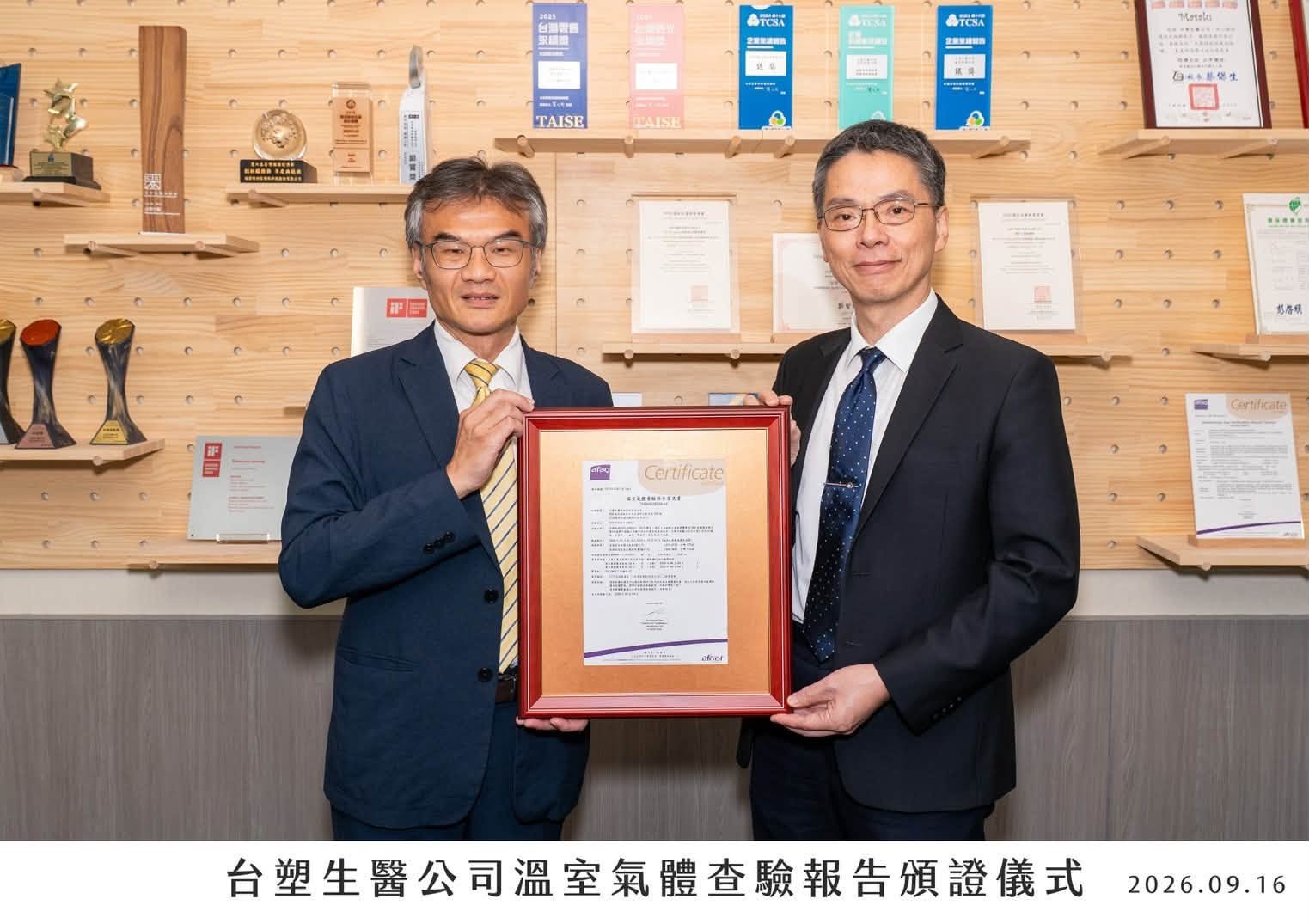
“Fabao International Certification” recently announced that “Formosa Biotech” has successfully passed the ISO 14064-1:2018 greenhouse gas inventory verification, and a certification ceremony was held recently. This verification confirms that the company’s greenhouse gas emissions data and management system comply with international standards. As an internationally recognized third-party verification body, “Fabo International Certification” conducted this verification in accordance with the ISO 14064-1 standard,and conducted an independent assessment of Formosa Biotech’s organizational boundaries, identification of emission sources, and data collection and calculation processes. The verification process confirmed that the company has established a systematic foundation for carbon management, and that its inventory results are complete and reliable, serving as a basis for developing future carbon reduction strategies. To promote sustainable development, “Formosa Biotech” has not only completed its greenhouse gas inventory but has also implemented the principles of the circular economy in its product bottle recycling program, enabling resources to re-enter the circular system and reducing resource consumption and carbon emissions at the source. Through systematic management, the company has demonstrated concrete actions ranging from carbon inventory and carbon reduction initiatives to resource recycling. The professional verification team at “Fabao International Certification” noted that a company’s successful verification of its greenhouse gas inventory indicates it has established a credible carbon management mechanism capable of assessing its environmental performance using scientific data. “Formosa Biotech” has established a management system compliant with international standards, setting an important practical example for the net-zero transition of Taiwan’s biotech industry. “Fabao International Certification” has long provided greenhouse gas inventory verification services, assisting various industries in establishing credible environmental performance data. In the future, it will continue to promote the implementation of low-carbon sustainability goals across Taiwan’s industries through professional verification.

Read more "
Taiwan Banner
Taiwan

「法標國際認證」完成「新光醫院」ISO 14067產品查證

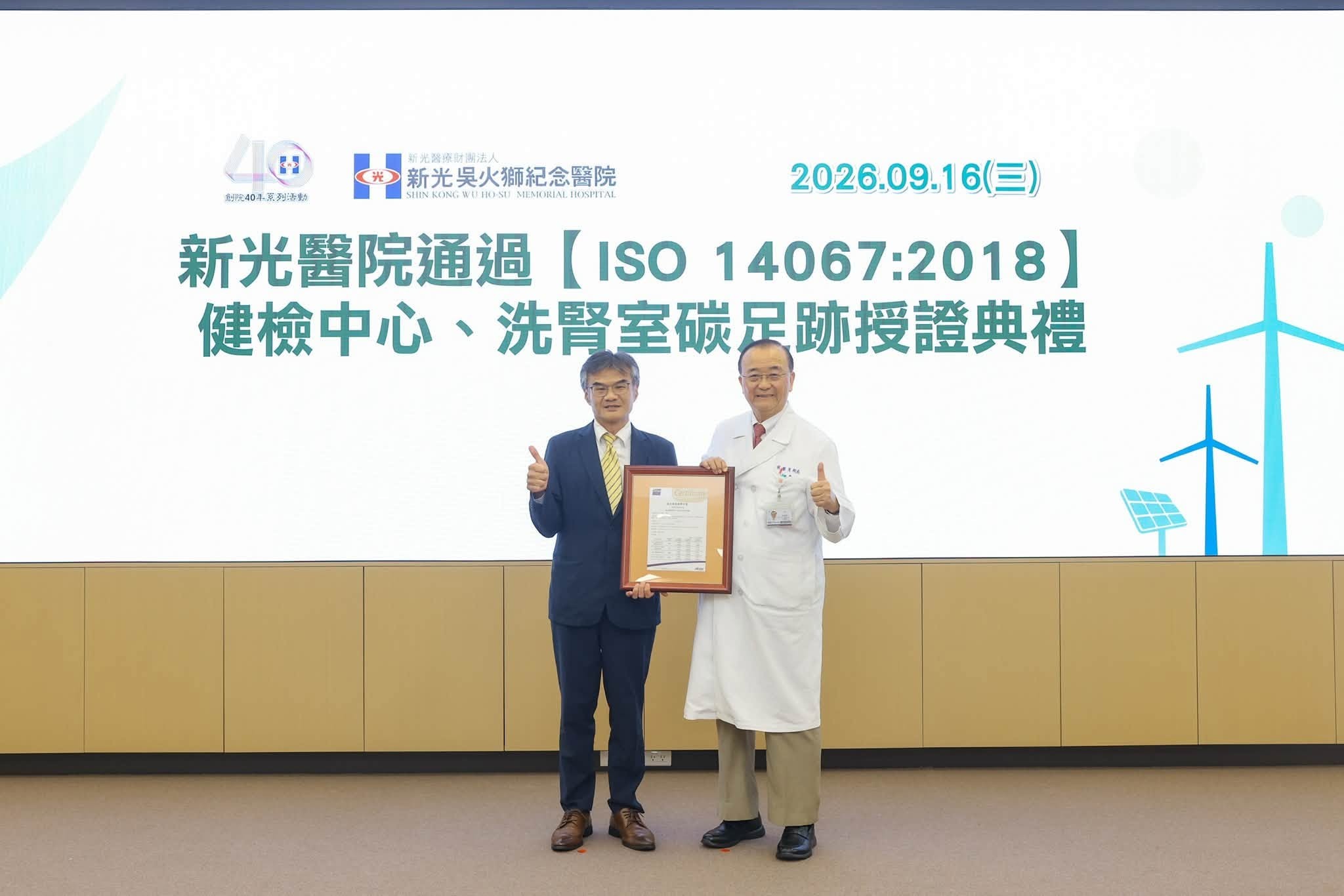
「已成功通過ISO 14067:2018產品碳足跡查證,查證範圍涵蓋健檢中心之無痛腸胃鏡、MRI、CTA、PET,以及血液透析、腹膜透析等六項醫療服務。此項查證確認該院醫療服務之碳排放數據與管理制度符合國際標準要求。 ISO 14067標準,對「新光醫院」各項醫療服務之碳足跡範圍界定、數據蒐集、計算方法及排放係數選用進行獨立評估。查證範圍涵蓋高階影像設備能源使用、RO逆滲透水處理、醫療耗材及病患交通等生命週一致性與透明度。 「新光醫院」將碳足跡管理導入醫療服務現場,透過系統化盤查掌握各項服務之碳排放熱點,為後續減碳措施提供科學依據。此項查證展現醫療機構將環境績效納入服務管理系統之具體作為。 「法標國際認證」專業查證團隊指出,醫療服務通過產品碳足跡查證,代表「新光醫院」已建立可量化、可檢視之碳管理基礎。「新光醫院」建立符合國際標準之管理,為台灣醫療產業之淨零轉型建立重要實踐案例。 「法標國際認證」長期提供產品碳足跡查證服務,協助各產業建立可信之環境促進醫療及相關產業落實低碳永續目標。

Read more "
Taiwan

"Fobiao International Certification" Completes Third-Party Verification of "Juntendo Pharmaceutical" Sustainability Report

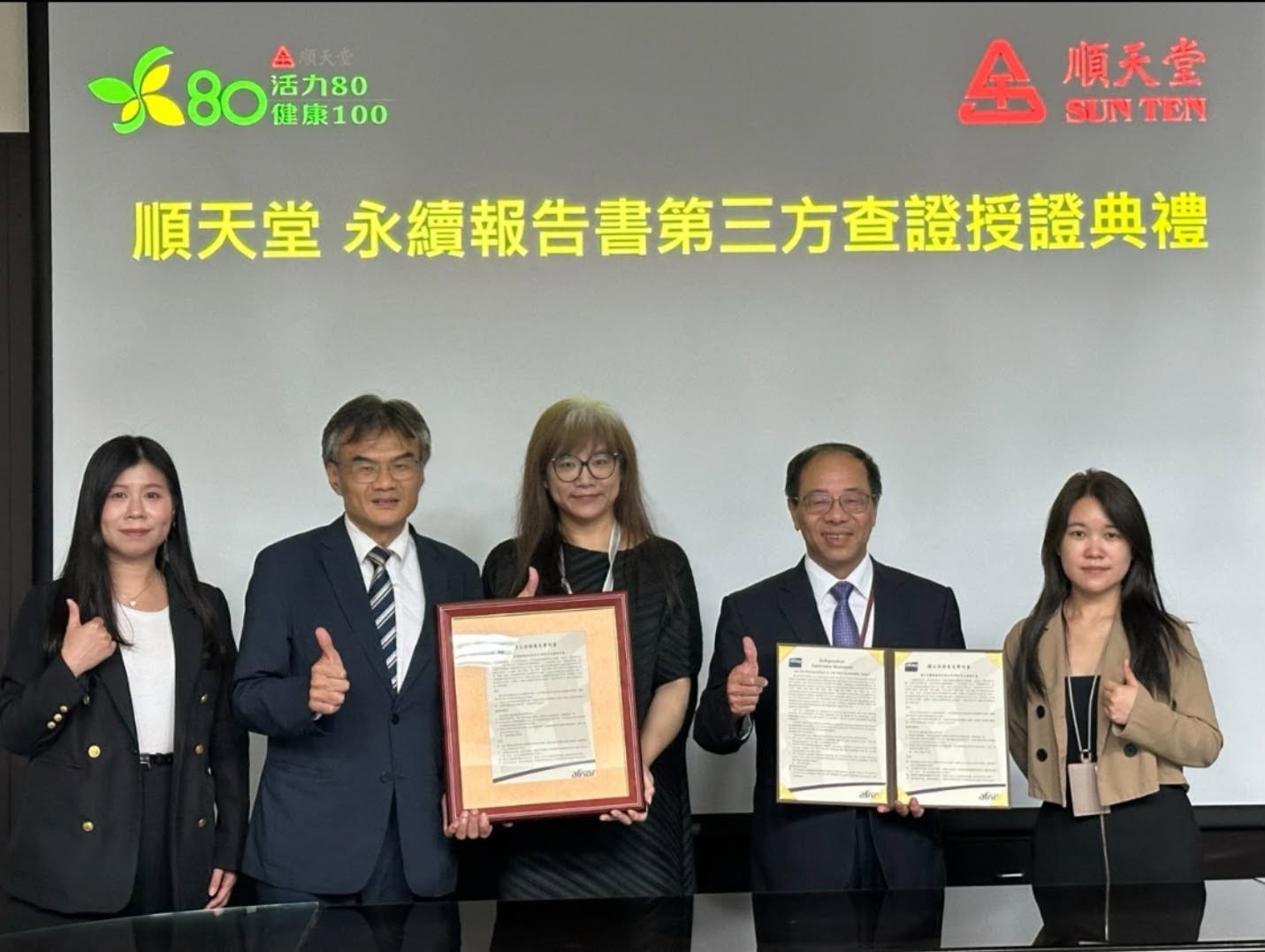
"Fobao International Certification" recently announced that it has completed the independent third-party verification of "Juntendo Pharmaceutical"’s sustainability report, confirming that the sustainability performance information disclosed in the report complies with the requirements of relevant international standards and is reliable and transparent.

Read more "
Back to top