
International standards for quality, environmental, and occupational health and safety management will undergo major changes in 2026. Behind these sometimes technical acronyms— ISO 9001, ISO 14001, and ISO 45001—lie essential tools for companies, which structure their organization and their commitment to their stakeholders.
A year of change
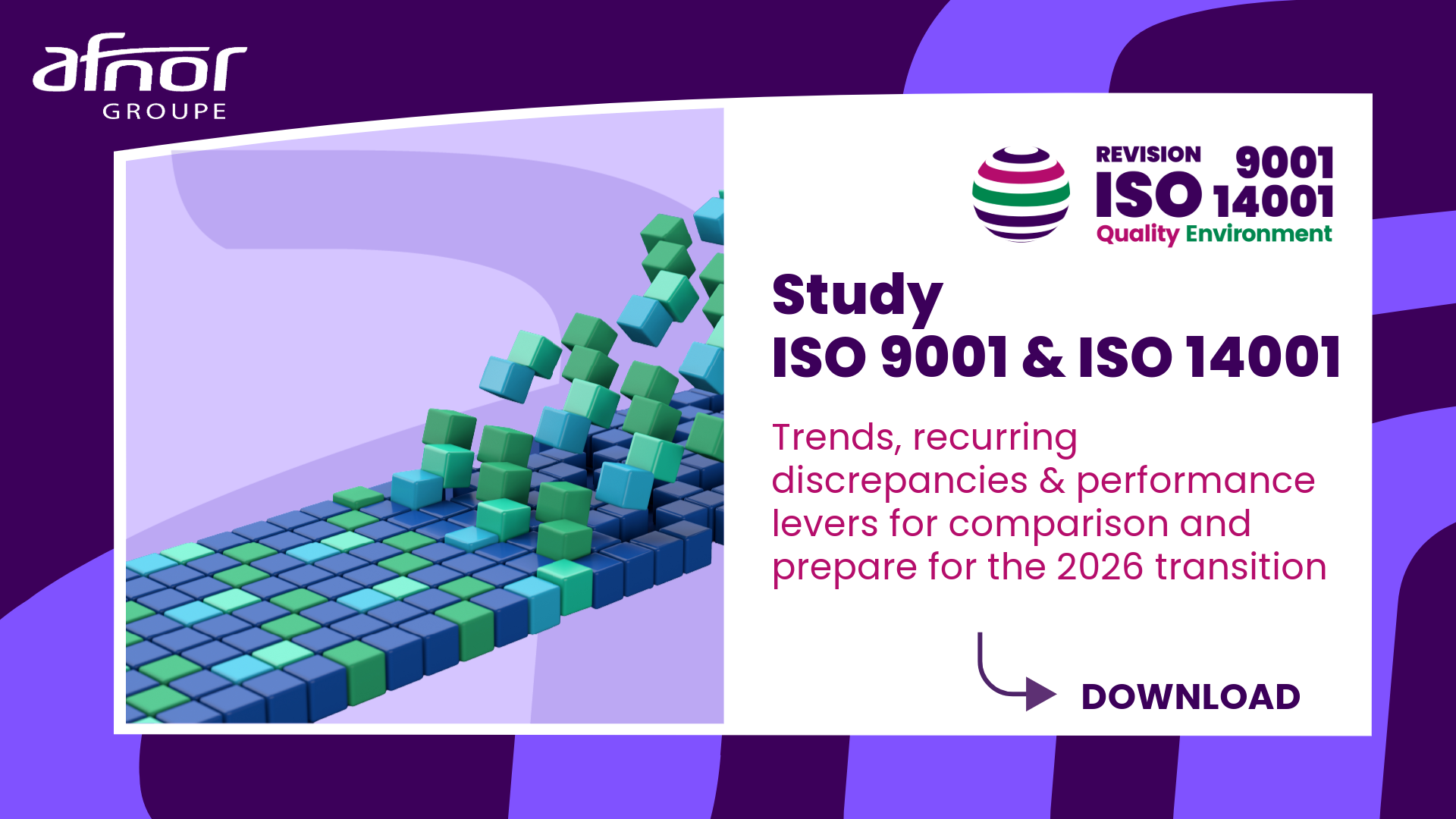
Starting in January 2026, international experts will meet to review comments on the ISO 9001 standard. This crucial step will pave the way for a new version, expected between July and October. The world's most widely used quality standard is expected to incorporate enhanced requirements around organizational culture, digitalization, and resilience.
In March, it will be the turn ofISO 14001 will be revamped. The revision will focus on the most pressing environmental issues: combating climate change, preserving biodiversity, and social responsibility. Certified companies will have to demonstrate their ability to take concrete action to reduce their ecological footprint.
Finally, in May, ISO 45001 will be open for public inquiry. This international consultation will allow stakeholders to express their views on the proposed changes to the standard dedicated to occupational health and safety. Discussions are expected to focus on the prevention of psychosocial risks and the consideration of mental health, reflecting the profound changes in the world of work.
Did you know? More than 1.2 million organizations worldwide are ISO 9001 certified. This makes it the most widely used management standard and a true international benchmark for quality.
3 key figures on QSE standards
- ISO 14001 has been adopted by more than 400,000 companies in 180 countries.
- ISO 45001, launched in 2018, already covers more than 300,000 certified sites.
- Together, these standards represent a global certification market estimated to be worth several billion euros.
AFNOR International, a transition partner
These revisions are not mere technical adjustments. They reflect a desire to bring management systems closer to contemporary realities: digitalization, ecological transition, new forms of work. The transition procedures will be determined by the accreditation bodies and communicated throughout the year. AFNOR International will support companies at every stage, with webinars, training courses, and guides to help them anticipate and transform these changes into levers for progress.
Read more :
- ISO 9001 certification - Quality Management System
- QSE Certification - Quality, Environment and Safety
- ISO 14001 certification - Environmental Management
- ISO 45001 certification - Occupational health and safety management
- Our training offer
- Our certification offer
- Who we are
- Our international network
- Please contact us.