Logo_100yearsAfnor_CMYK_White
Home > International news > Spain plunged into darkness: anticipating the unexpected and ensuring business continuity in the face of crises

Spain in the dark: anticipating the unexpected and ensuring business continuity in the face of crisis

Facebook
Email
Twitter
LinkedIn
Agri-food expertise

On April 28, 2025, a major blackout plunged the Iberian Peninsula into darkness. Spain and Portugal were faced with a total interruption of power supply for a few critical minutes. This incident underlines the importance of companies being prepared to deal with unforeseen disruptions.

A revealing event for critical infrastructures

This incident highlighted the importance of structured crisis preparedness. The event occurred on April 28, 2025, starting at 12:33 pm. It affected the whole of the Iberian Peninsula, including Spain and Portugal. The gradual reactivation of the power supply began between 12:44 and 13:35. During this critical period, sensitive infrastructures such as hospitals and command centers immediately activated their emergency generators to ensure continuity of services. This clearly demonstrates that, despite the short duration of the outage, the impact on infrastructure management was significant. The rapid resumption of essential services also demonstrated this importance.

The strategic importance of business continuity

In the face of such incidents, it is crucial for any organization to have a robust Business Continuity Management System (BCMS) in place to anticipate, manage and overcome such crises. Without resilience, companies risk incurring significant financial losses. They may also see a deterioration in their image with customers and partners.

Studies show that organizations certified in business continuity management reduce operational recovery time by an average of 35%, and significantly improve their response to crises. Investing in resilience is therefore a strategic choice for any business exposed to hazards.

AFNOR International: supporting the transition with ISO 22301 certification

To meet these challenges, AFNOR International is offering a flagship Business Continuity Management certification. This offer is based on the ISO 22301 standard. This internationally recognized certification enables :

  • Structuring your crisis procedures:ISO 22301 guides the implementation of a management system dedicated to continuity, guaranteeing that all preventive and corrective measures are in place to limit the impact of an incident.
  • Significantly reduce recovery time: Certified companies report improved responsiveness in the event of a crisis, reflected in a measurable reduction in business recovery time.
  • Strengthen the confidence of your stakeholders: Having an ISO 22301 certificate reassures your customers, partners and investors of your ability to manage emergency situations effectively.

For example, some companies in the critical infrastructure sector who have adopted this certification have recorded a reduction in recovery time of almost 30%, while ensuring continuity of service even in times of severe turbulence. This ongoing process of continuous improvement shows that anticipating operational risks is as essential as investing in physical or digital security.

The April 2025 blackout in Spain was a stark reminder that crisis resilience is now an essential component of organizational success. By adopting a proactive approach and setting up an ISO 22301-certified system, companies can not only reduce their vulnerabilities, but also turn a constraint into a strategic advantage.

For any organization wishing to secure its operations and ensure optimum responsiveness in the event of a crisis, it is essential to consider the business continuity management certification offered by AFNOR International. Discover our dedicated offer and make business continuity a strategic pillar of your development.

Read more :
latest news
from the international network

Agri-food expertise
Taiwan

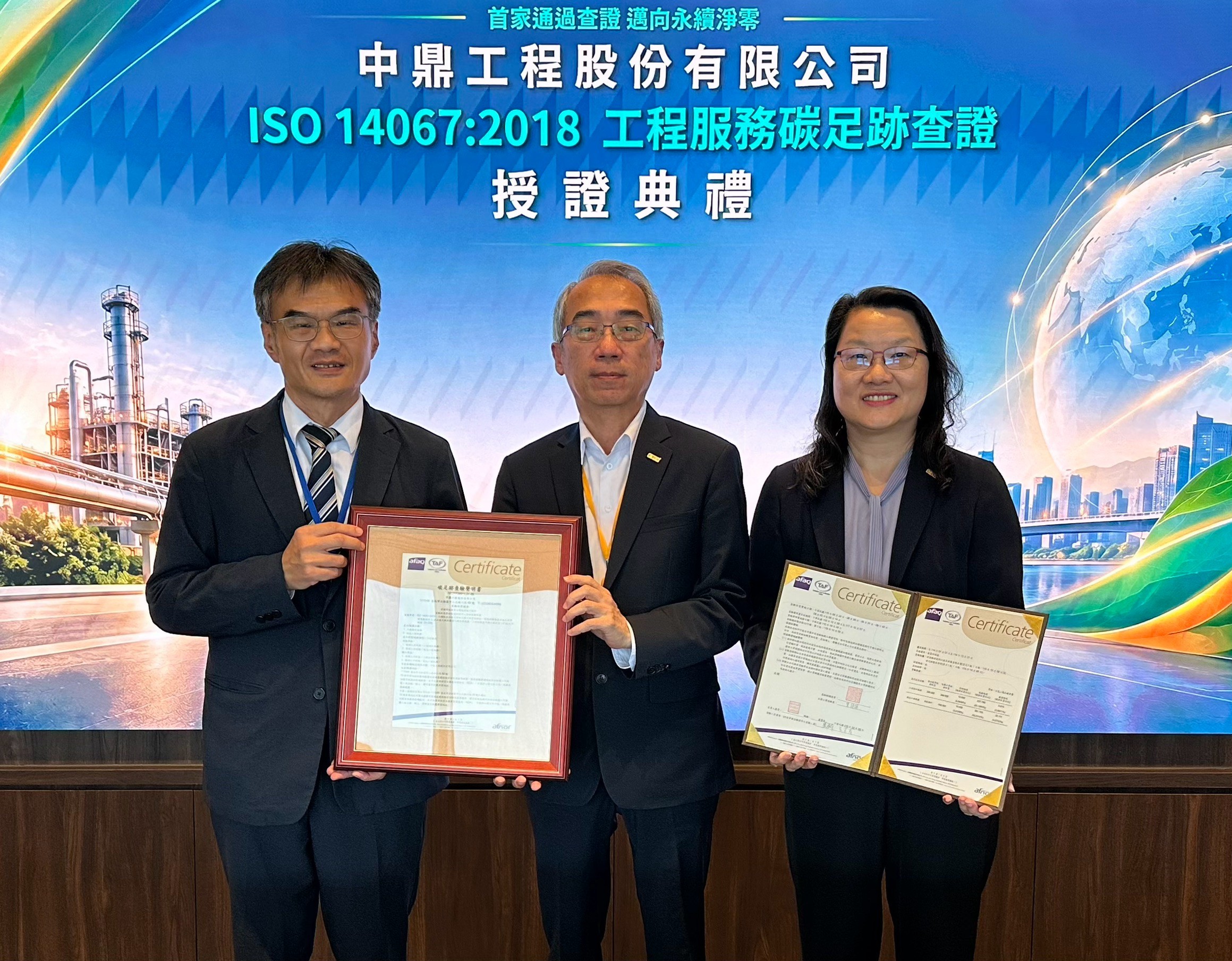
"Fobiao International Certification" Completes ISO 14067 Carbon Footprint Verification for "Zhongding Engineering"

“Fabao International Certification” recently announced that “Zhongding Engineering” has successfully completed ISO 14067:2018 product carbon footprint verification, with the scope of verification covering engineering design services and turnkey engineering services. This verification confirms that the company’s carbon emissions data and management system for its engineering services comply with international standards, making it the first company in Taiwan to complete verification in accordance with the Product Category Rules (PCR) for engineering services. As an internationally recognized third-party verification body, “Fabao International Certification” conducted this verification in accordance with the ISO 14067 standard,and conducted an independent assessment of the carbon footprint scope definition, data collection, calculation methods, and selection of emission factors for “CECC Engineering” services. The verification scope covered life cycle stages ranging from raw material procurement and service delivery to waste disposal. The verification process confirmed that the carbon footprint data possess completeness, consistency, and transparency. “Zhongding” uses “each working hour” as the functional unit to minimize the impact of differences in the scale and nature of various engineering projects on the assessment results, thereby establishing a consistent calculation benchmark. Through systematic inventory assessments, the company has identified carbon emission hotspots in its engineering services, providing a scientific basis for subsequent carbon reduction measures. This verification demonstrates concrete actions taken by the engineering services industry to integrate environmental performance into its management systems. The professional verification team at “Fabao International Certification” noted that the engineering services’ successful product carbon footprint verification signifies that the company has established a quantifiable and verifiable foundation for carbon management. “CEC” has established a management system compliant with international standards, creating an important practical example for the net-zero transition of Taiwan’s engineering industry. “Fabao International Certification” has long provided product carbon footprint verification services, assisting various industries in establishing credible environmental performance data. In the future, it will continue to promote the implementation of low-carbon sustainability goals in the engineering and related industries through professional verification. This year’s conference heard the ISO Secretary-General’s work report and focused on reviewing the implementation of “ISO Strategy 2030,” the digital transformation of standards, commercial policy,the election of governance officials for the 2027–2029 term, and the 2027 financial budget, among other major governance matters, and announced the winners of the 2026 Lawrence E. Archer Leadership Award. Throughout its century-long history, AFNOR has consistently been a key participant and driving force in global standardization governance. During the conference, following a proposal by AFNOR and approval by ISO members, ISO officially released the “Paris Declaration” on addressing climate change in the global standards sector, calling on member countries to leverage international standards to strengthen climate adaptation capacity and development resilience, and to advance the implementation of the global Sustainable Development Goals.

Read more "
Back to top