Logo_100yearsAfnor_CMYK_White
Home > International news > ISO 17298: A universal approach to integrating biodiversity into organizational strategies.

ISO 17298: A universal approach to integrating biodiversity into organizational strategies.

Facebook
Email
Twitter
LinkedIn
Agri-food expertise

In view of the accelerating loss of biodiversity worldwide, it is imperative that organizations have organized instruments to intervene in a tangible and coherent way. It is in this context that the voluntary ISO 17298 standard has been set up, as the first global standard entirely dedicated to biodiversity. Initiated by AFNOR International, which chairs the ISO/TC 331 " Biodiversity " technical committee, this standard represents a global reference for the integration of biodiversity issues into management systems.

🌱 An organized response to a global challenge

ISO 17298 follows on from the Global Biodiversity Framework adopted at Kunming-Montreal (COP 15). It provides entities such as businesses, government institutions, local authorities and NGOs with a structured method for identifying their interactions with ecosystems, judging the resulting risks and opportunities, and establishing appropriate action plans. Similar toISO 14001, which focuses on the environment,ISO 17298 promotes a continuous improvement approach, encouraging the incorporation of biodiversity into Corporate Social Responsibility (CSR ) policies and sustainability plans.

🔍 An international standard, promoted by the AFNOR Group

AFNOR International occupies a central position in international standardization concerning biodiversity. Since 2020, our organization has chaired the ISO/TC 331 committee, bringing together specialists from different fields to establish international standards for biodiversity management. These collaborative efforts have resulted in ISO 17298, which is based on practical experience and existing standards, such as the French NF X32-001, used as a technical foundation.

📈 Tangible benefits for organizational structures

Adopting ISO 17298 gives organizations the opportunity to :

  • Prepare for increasingly stringent requirements for non-financial reporting, particularly in the context of international standards.
  • Increase their attractiveness to ESG-conscious investors and lenders.
    Facilitate access to green financing.
  • Enter new markets by showcasing their dedication to biodiversity.

The standard will be prioritized at the next Conference of the Parties (COP) on biodiversity, to be orchestrated by the UN in Armenia in 2026.

🛠️ Certification and training: tangible intervention tools

AFNOR International offers organized support to organizations wishing to implement ISO 17298. Our AFAQ Biodiversité certification, which is based on the NF X32-001 standard, will soon be updated to include the requirements of the international standard. At the same time, our training program helps professionals strengthen their skills in biodiversity issues, double materiality (inside-out / outside-in), and related management tools.

🌐 A global perspective, a local influence

Biodiversity is much more than just an environmental issue: it's an essential element of economic resilience. Companies have an impact on ecosystems - through their operations, their supply chains, their locations - while also being dependent on them.LISO 17298 formalizes this interdependence and suggests an approach for integrating it into strategic decision-making.

Read more :

latest news
from the international network

Agri-food expertise
ISO 14067 Taiwan
Taiwan

"Fobao International Certification" Completes ISO 14067 Product Carbon Footprint Verification for the Department of Anesthesiology at Shuanghe Hospital

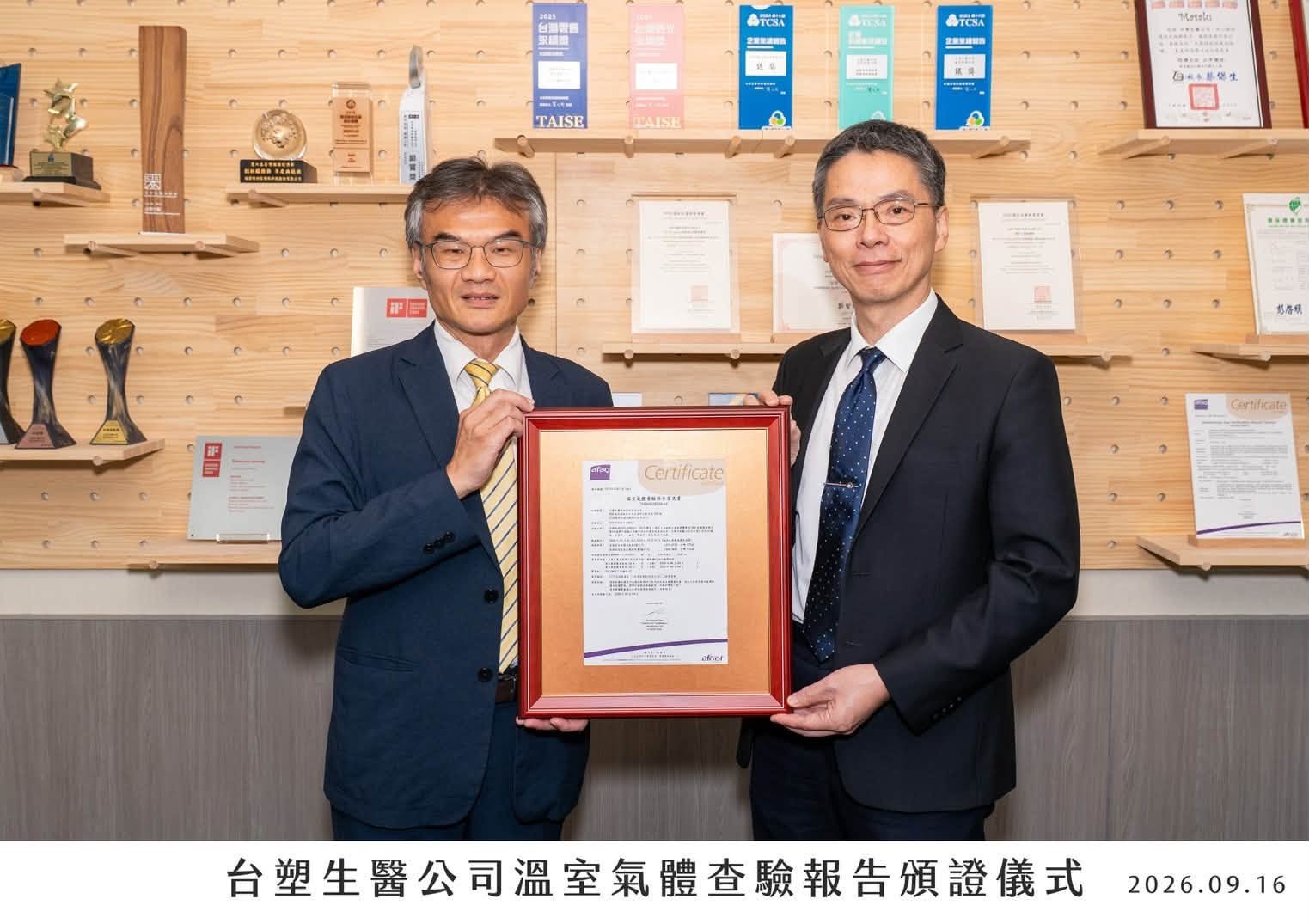
"Fabao International Certification" recently announced that the Department of Anesthesiology at "Shuanghe Hospital" has completed Taiwan's first ISO 14067:2018 product carbon footprint verification "classified by anesthesia method" and obtained a verification statement. These verification results confirm that the hospital has established a system for managing the carbon footprint of its surgical anesthesia services that complies with international standards. As an internationally recognized third-party verification body, "Fabao International Certification" conducted this verification in accordance with the ISO 14067 standard, independently assessing the carbon footprints of four anesthesia methods—endotracheal intubation, intravenous anesthesia, mask anesthesia, and spinal anesthesia—in the Anesthesiology Department of "Shuanghe Hospital." The verification process confirmed that the hospital’s data collection, emissions calculation, and management procedures comply with international standards. The verification results show that, regardless of the type of anesthesia, over 80% of carbon emissions are concentrated during the surgical anesthesia administration phase, with the primary sources being energy use and equipment operation. Operating rooms have long been the most resource-intensive units in hospitals, accounting for approximately one-quarter of the hospital’s total carbon emissions. These verification findings provide a scientific basis for precisely identifying carbon reduction targets and optimizing medical processes in the future. The professional verification team at “Fasbo International Certification” noted that healthcare institutions breaking down their carbon footprint assessments to the level of clinical operations demonstrates that sustainability management is deeply embedded in their daily operational processes. Shuanghe Hospital’s completion of this verification highlights concrete progress in the healthcare industry’s transition toward net-zero emissions. "Fasbo International Certification" has long provided product carbon footprint verification services, assisting various industries in establishing credible environmental performance data. In the future, it will continue to promote the implementation of sustainable governance goals in Taiwan’s healthcare and related industries through professional verification.

Read more "
Taiwan ISO 14067
Taiwan

"Fobao International Certification" Completes ISO 14067 Product Carbon Footprint Verification for "Yatong Hospital's" SBRT Services

"Fabao International Certification" recently announced that the Department of Radiation Oncology at "Yatong Hospital" has completed the ISO 14067:2018 product carbon footprint verification for its stereotactic body radiation therapy (SBRT) services for breast cancer and prostate cancer, and has officially been awarded a verification statement. These verification results confirm that the hospital’s carbon footprint data and management system comply with international standards. As an internationally recognized third-party verification body, "Fabao International Certification" conducted an independent assessment of the carbon footprint scope definition, data collection, calculation methods, and selection of emission factors for "Yatong Hospital’s" SBRT services in accordance with the ISO 14067 standard. The verification process confirmed that the carbon emission data for these services is complete, consistent, and transparent, and can serve as a basis for future carbon reduction management. The SBRT technology implemented by “Yatong Hospital” significantly reduces the number of treatment sessions required—which typically ranges from 20 to 39 in traditional radiation therapy—to just 5 sessions. Verification results show that through optimized electricity usage, reduced medical consumables, and minimized waste, overall carbon emissions are approximately 60% lower than those of traditional treatment regimens. This achievement also reduces the transportation burden and time costs for patients traveling to and from the hospital. The professional verification team at “Fasbo International Certification” noted that the verification of a medical service’s product carbon footprint signifies that the institution has incorporated environmental performance into its service quality management system. “Yatong Hospital” has established a carbon footprint management system compliant with international standards, creating an important practical case study for the low-carbon transition of Taiwan’s healthcare industry. “Fabao International Certification” has long provided product carbon footprint verification services, assisting various industries in establishing credible environmental performance data. In the future, it will continue to promote the implementation of sustainable transformation goals in the healthcare and related industries through professional verification.

Read more "
Taiwan

"Fobao International Certification" Completes ISO 14064-1 Greenhouse Gas Inventory Verification for "Shengjie Construction"

"Fabao International Certification" recently announced that "Shengjie Construction Co., Ltd." has successfully passed third-party verification of its ISO 14064-1:2018 greenhouse gas inventory. This verification confirms that the company's greenhouse gas emissions data and management system comply with international standards, demonstrating concrete results in institutionalizing its commitment to sustainability. As an internationally recognized third-party verification body, "Fabao International Certification" conducted an independent assessment of "Shengjie Construction’s" organizational boundaries, emission source identification, and data collection and calculation processes in accordance with the ISO 14064-1 standard. The verification process confirmed that the company has established a systematic foundation for carbon management, and that its inventory results are reliable and can serve as a basis for formulating future carbon reduction strategies. Sheng Jie Construction, a construction firm in the Taoyuan area, proactively implemented ISO 14064-1 verification and published a sustainability report despite the absence of mandatory regulatory requirements. In addition to promoting low-carbon building materials and energy-efficient designs on the environmental front, the company has long promoted a “community health check” mechanism on the social front, assisting communities where homes have already been delivered in maintaining building quality, thereby demonstrating its commitment to resident relations and the management of the building’s entire life cycle. The professional verification team at “Fasbia International Certification” noted that a company’s voluntary adoption of greenhouse gas inventory verification signifies that it views carbon management as an essential component of organizational governance. By establishing a management system compliant with international standards, “Sheng Jie Construction” has set an important practical example for the sustainable development of Taiwan’s construction industry. "Fasbia International Certification" has long provided greenhouse gas inventory verification services, assisting various industries in establishing credible environmental performance data. In the future, it will continue to promote the implementation of sustainable governance goals by Taiwanese companies through professional verification.

Read more "
Back to top