Logo_100yearsAfnor_CMYK_White

Coping with major fires: the strategic importance of ISO 14001 certification

Facebook
Email
Twitter
LinkedIn
Agri-food expertise
Context and challenges of massive fires
The summer of 2025 is already being marked by an upsurge in large-scale fires in Europe, exacerbated by heatwave and drought conditions:
  • Sardinia (Italy): In Punta Molentis, fires surrounded bathers, leading to the evacuation of 200 people along the coast.
  • Peloponnese and Evia (Greece): More than 55 fires were reported in 24 hours, mobilizing 350 firefighters and 15 air tankers to bring the flames under control.
  • Bursa and Eskisehir (Turkey): Four active fires required the intervention of 2,300 firefighters and six aircraft, resulting in the evacuation of 3,515 residents.
  • Southern Albania: Around Borsh and Delvina, 29 fires were recorded, ten of which were still active on July 28, devastating forests and villages.
  • Montenegro and Bosnia: Mountainous areas near Podgorica and Sarajevo were hit by heat waves and strong winds, leading to multiple outbreaks of fire and evacuations of the local population.
These events illustrate how forest fires are becoming earlier, more intense and potentially uncontrollable without robust prevention measures.

Fundamentals of ISO 14001

ISO 14001 establishes an environmental management framework based on :

  • Systems approach: Identification and management of environmental aspects (soil, air, water, biodiversity).
  • Environmental policy: Management's commitment to reducing impacts and complying with regulations.
  • PDCA cycle (Plan-Do-Check-Act): Action planning, implementation, results monitoring and continuous improvement.
  • Risk and opportunity management: Anticipation of major events, including fire, and emergency preparedness.
  • Training and awareness-raising: Involvement of all stakeholders, from operators to managers.
How ISO 14001 certification boosts fire resilience
  1. Prevention and planning :
    • Map at-risk areas and prioritize actions to clear brush, create firebreaks and maintain forest trails.
    • Integrate weather conditions and fire scenarios into the environmental management plan.
  2. Vulnerability reduction :
    • Carry out regular environmental audits to verify the effectiveness of preventive measures.
    • Monitor human activities (building sites, barbecues, traffic) and promote best practices.
  3. Reactivity and crisis management :
    • Draw up emergency procedures clearly defining responsibilities, communication channels and resources to be mobilized.
    • Organize warning and simulation exercises before the warm season to test coordination with fire departments and government services.
  4. Continuous improvement :
    • Analyze past incidents (feedback) to adapt protocols and reinforce resilience.
    • Track indicators (number of outbreaks detected, mobilization time, surface area protected) to measure progress.

Testimonial from a certified local authority
Since its ISO 14001 certification in April 2023, the Métropole Aix-Marseille-Provence has reduced the number of fires caused by the upkeep of its flowerbeds by 30%, thanks to a prioritized action plan. The automatic broadcasting of weather and fire alerts now enables technical services to intervene 20% faster.

Faced with the resurgence of major fires, ISO 14001 certification goes beyond the regulatory framework: it is a strategic lever for anticipating, preventing and reacting effectively to crises. By structuring their environmental approach, companies and local authorities strengthen their resilience and make an active contribution to protecting their territories.

Read more :

latest news
from the international network

Agri-food expertise
ISO 14067 Taiwan
Taiwan

"Fobao International Certification" Completes ISO 14067 Product Carbon Footprint Verification for the Department of Anesthesiology at Shuanghe Hospital

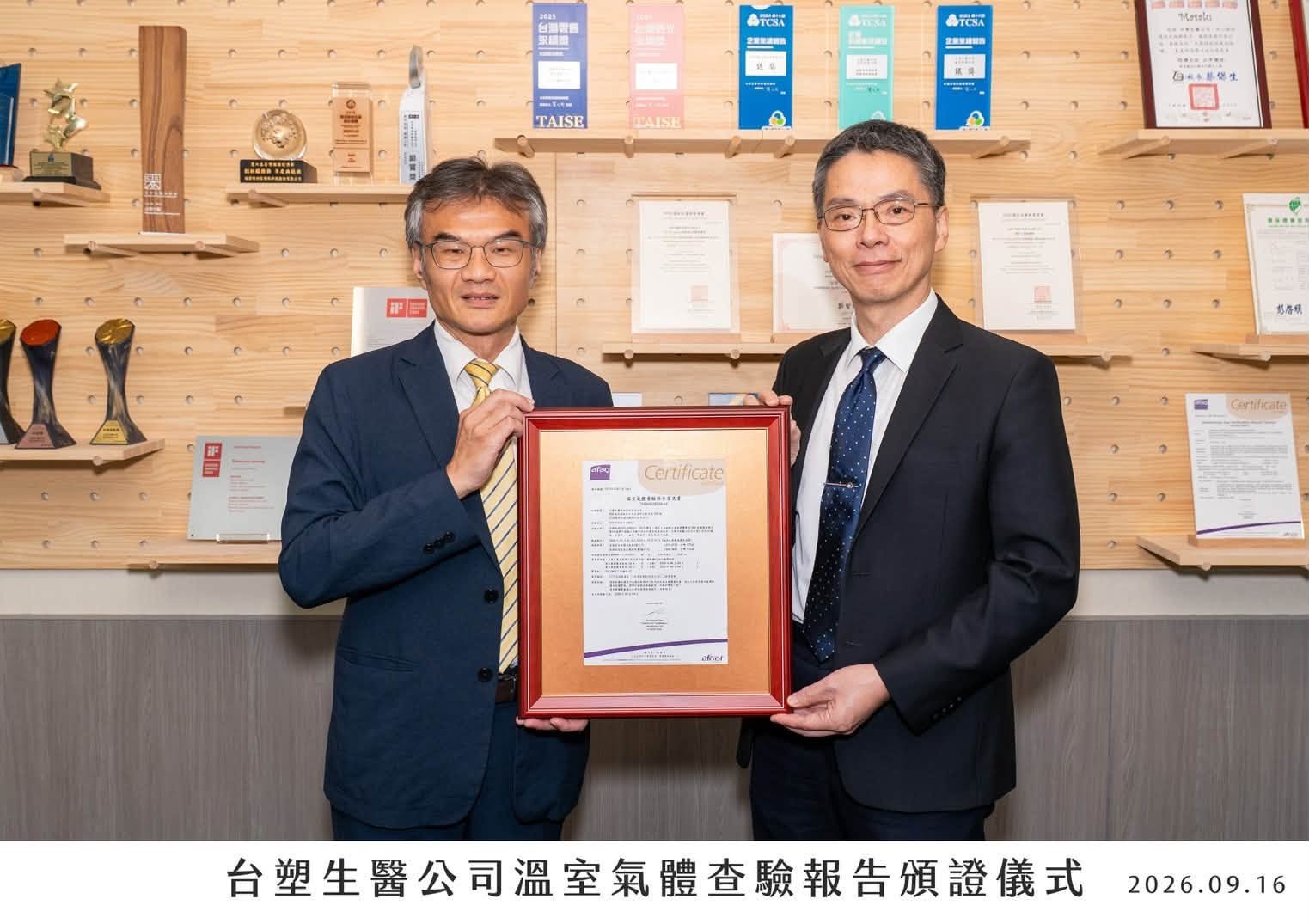
"Fabao International Certification" recently announced that the Department of Anesthesiology at "Shuanghe Hospital" has completed Taiwan's first ISO 14067:2018 product carbon footprint verification "classified by anesthesia method" and obtained a verification statement. These verification results confirm that the hospital has established a system for managing the carbon footprint of its surgical anesthesia services that complies with international standards. As an internationally recognized third-party verification body, "Fabao International Certification" conducted this verification in accordance with the ISO 14067 standard, independently assessing the carbon footprints of four anesthesia methods—endotracheal intubation, intravenous anesthesia, mask anesthesia, and spinal anesthesia—in the Anesthesiology Department of "Shuanghe Hospital." The verification process confirmed that the hospital’s data collection, emissions calculation, and management procedures comply with international standards. The verification results show that, regardless of the type of anesthesia, over 80% of carbon emissions are concentrated during the surgical anesthesia administration phase, with the primary sources being energy use and equipment operation. Operating rooms have long been the most resource-intensive units in hospitals, accounting for approximately one-quarter of the hospital’s total carbon emissions. These verification findings provide a scientific basis for precisely identifying carbon reduction targets and optimizing medical processes in the future. The professional verification team at “Fasbo International Certification” noted that healthcare institutions breaking down their carbon footprint assessments to the level of clinical operations demonstrates that sustainability management is deeply embedded in their daily operational processes. Shuanghe Hospital’s completion of this verification highlights concrete progress in the healthcare industry’s transition toward net-zero emissions. "Fasbo International Certification" has long provided product carbon footprint verification services, assisting various industries in establishing credible environmental performance data. In the future, it will continue to promote the implementation of sustainable governance goals in Taiwan’s healthcare and related industries through professional verification.

Read more "
Taiwan ISO 14067
Taiwan

"Fobao International Certification" Completes ISO 14067 Product Carbon Footprint Verification for "Yatong Hospital's" SBRT Services

"Fabao International Certification" recently announced that the Department of Radiation Oncology at "Yatong Hospital" has completed the ISO 14067:2018 product carbon footprint verification for its stereotactic body radiation therapy (SBRT) services for breast cancer and prostate cancer, and has officially been awarded a verification statement. These verification results confirm that the hospital’s carbon footprint data and management system comply with international standards. As an internationally recognized third-party verification body, "Fabao International Certification" conducted an independent assessment of the carbon footprint scope definition, data collection, calculation methods, and selection of emission factors for "Yatong Hospital’s" SBRT services in accordance with the ISO 14067 standard. The verification process confirmed that the carbon emission data for these services is complete, consistent, and transparent, and can serve as a basis for future carbon reduction management. The SBRT technology implemented by “Yatong Hospital” significantly reduces the number of treatment sessions required—which typically ranges from 20 to 39 in traditional radiation therapy—to just 5 sessions. Verification results show that through optimized electricity usage, reduced medical consumables, and minimized waste, overall carbon emissions are approximately 60% lower than those of traditional treatment regimens. This achievement also reduces the transportation burden and time costs for patients traveling to and from the hospital. The professional verification team at “Fasbo International Certification” noted that the verification of a medical service’s product carbon footprint signifies that the institution has incorporated environmental performance into its service quality management system. “Yatong Hospital” has established a carbon footprint management system compliant with international standards, creating an important practical case study for the low-carbon transition of Taiwan’s healthcare industry. “Fabao International Certification” has long provided product carbon footprint verification services, assisting various industries in establishing credible environmental performance data. In the future, it will continue to promote the implementation of sustainable transformation goals in the healthcare and related industries through professional verification.

Read more "
Taiwan

"Fobao International Certification" Completes ISO 14064-1 Greenhouse Gas Inventory Verification for "Shengjie Construction"

"Fabao International Certification" recently announced that "Shengjie Construction Co., Ltd." has successfully passed third-party verification of its ISO 14064-1:2018 greenhouse gas inventory. This verification confirms that the company's greenhouse gas emissions data and management system comply with international standards, demonstrating concrete results in institutionalizing its commitment to sustainability. As an internationally recognized third-party verification body, "Fabao International Certification" conducted an independent assessment of "Shengjie Construction’s" organizational boundaries, emission source identification, and data collection and calculation processes in accordance with the ISO 14064-1 standard. The verification process confirmed that the company has established a systematic foundation for carbon management, and that its inventory results are reliable and can serve as a basis for formulating future carbon reduction strategies. Sheng Jie Construction, a construction firm in the Taoyuan area, proactively implemented ISO 14064-1 verification and published a sustainability report despite the absence of mandatory regulatory requirements. In addition to promoting low-carbon building materials and energy-efficient designs on the environmental front, the company has long promoted a “community health check” mechanism on the social front, assisting communities where homes have already been delivered in maintaining building quality, thereby demonstrating its commitment to resident relations and the management of the building’s entire life cycle. The professional verification team at “Fasbia International Certification” noted that a company’s voluntary adoption of greenhouse gas inventory verification signifies that it views carbon management as an essential component of organizational governance. By establishing a management system compliant with international standards, “Sheng Jie Construction” has set an important practical example for the sustainable development of Taiwan’s construction industry. "Fasbia International Certification" has long provided greenhouse gas inventory verification services, assisting various industries in establishing credible environmental performance data. In the future, it will continue to promote the implementation of sustainable governance goals by Taiwanese companies through professional verification.

Read more "
Back to top