The Carbon Border Adjustment Mechanism (CBAM) is emerging as one of the most significant regulatory changes of 2026. As it approaches its full implementation in January 2027 , this European mechanism is redefining the rules of international trade by imposing strict carbon transparency on companies exporting to the European Union. For many industrial sectors, this new requirement marks a profound shift: carbon footprint is becoming a market access criterion on par with quality or safety.
Since 2023, importers have been required to report direct and indirect emissions associated with the production of carbon-intensive goods, including steel, aluminum, cement, fertilizers, electricity, and hydrogen. Recent weeks have confirmed a global acceleration around the CBAM: the European Commission has published the final guidelines for data verification, several exporting countries have launched their own carbon certification frameworks, and the World Trade Organization has established a working group dedicated to carbon border adjustments . The CBAM has now moved beyond the European framework to become a true international standard.
To view the official texts, companies may refer to the Regulation (EU) 2023/956 and the CBAM Transitional Registry, which centralizes reporting requirements and calculation methods. Comprehensive analyses of carbon impact are also available through theInternational Energy Agency and the work of theWorld Trade Organization on carbon border adjustments.
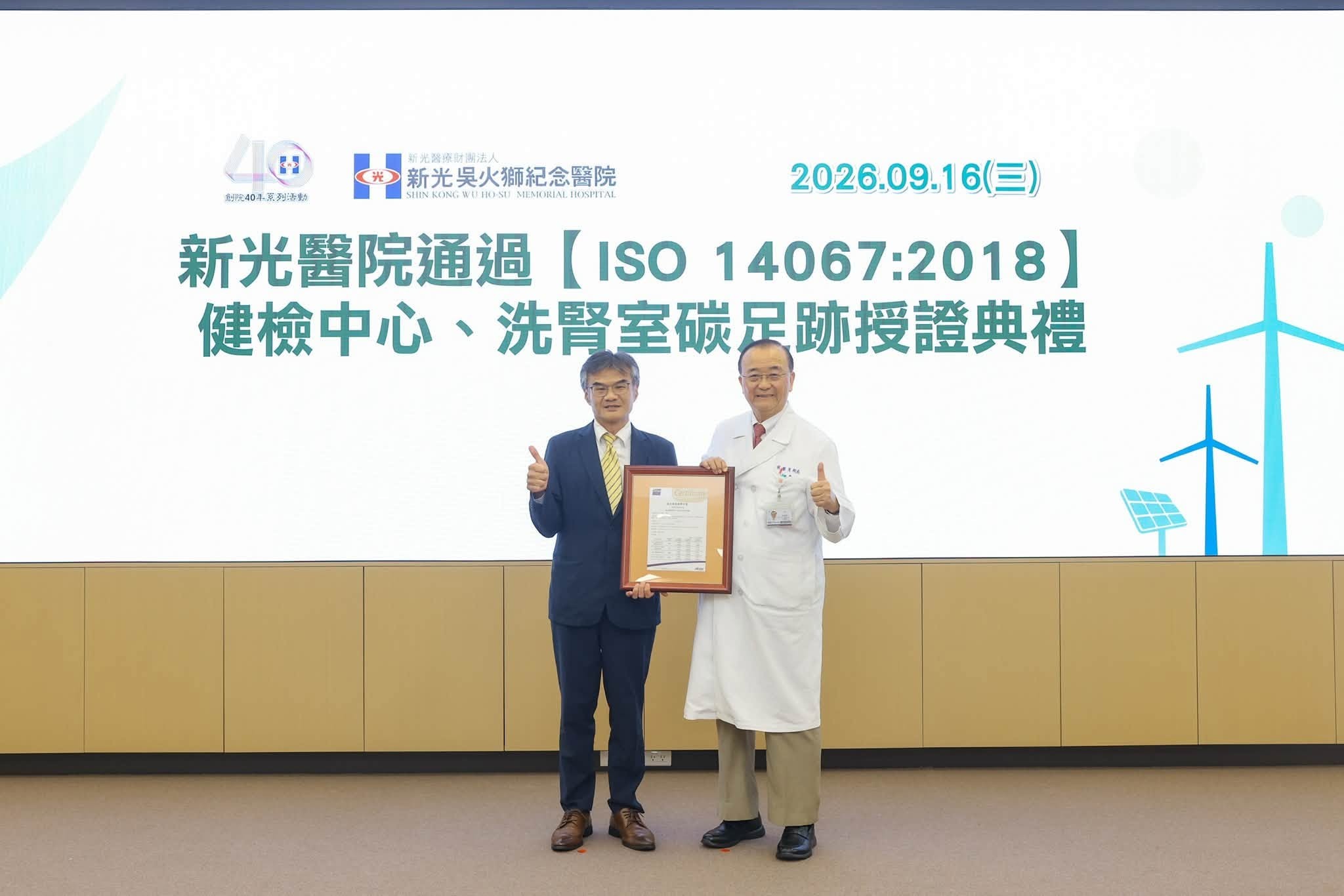
At the heart of this transformation, one requirement stands out: producing reliable, comparable, and verifiable carbon data. International standards play an essential role in this process. Standards such as ISO 14064 for greenhouse gas quantification, ISO 14067 for the carbon footprint of products, and ISO 14001 for environmental management are becoming essential tools for structuring CBAM compliance. They enable companies to produce auditable data that is recognized and accepted by European authorities.
In this context, AFNOR International supports organizations worldwide in their preparation for the CBAM. Our teams help companies understand regulatory requirements, structure their carbon data according to ISO standards, improve the reliability of their calculation methods, and anticipate the 2027 obligations. Thanks to our expertise in certification and low-carbon transition, we support international players in securing their access to the European market while strengthening their environmental performance.
The CBAM ushers in a new era for global trade: one of competitiveness based on carbon transparency, emissions reduction, and alignment with recognized international standards. Companies that begin preparing for it now will be the ones to benefit most from this global transformation.
Read more :
- CBAM Verification – Mandatory Carbon Verification for Exports to the European Union in 2027
- ISO 14001 certification - Environmental Management
- ISO 14067 verification - Carbon footprint of products
- Assessment ISO 14064-1 - Greenhouse gases for the environment
- Our training offer
- Our certification offer
- Who we are
- Our international network
- Please contact us.