

Logo_100yearsAfnor_CMYK_White

ISO 14001:2026 – Update to Environmental Management Systems

Facebook
Email
Twitter
LinkedIn
Agri-food expertise

The new version of ISO 14001:2026 introduces significant changes to address current environmental challenges: climate change, resource management, a life-cycle approach, and greater integration of sustainability into business strategies.

To support professionals and organizations in this process, AFNOR Italia is organizing a dedicated refresher course.

The standard ISO 14001, the international standard for Environmental Management Systems (EMS), is evolving to address new global challenges related to sustainability, climate change, and responsible resource management.

The new edition ISO 14001:2026 introduces significant updates and clarifications, while maintaining the established structure of the 2015 version. The goal is to make the standard even more effective and consistent with the current context, supporting organizations in the continuous improvement of their environmental performance.

The main changes in ISO 14001:2026

The revision of the standard places greater emphasis on several key aspects:

  • addressing global environmental challenges, such as climate change, biodiversity, and the sustainable use of resources
  • strengthening the risk- and opportunity-based approach
  • greater emphasis on the life-cycle perspective, with a focus extended to the supply chain
  • Focus on change management and the role of innovation
  • greater involvement of top management and alignment with corporate strategy

These factors make the standard an increasingly strategic tool for organizations seeking to integrate sustainability into their decision-making processes.

A professional development program for professionals and companies

To support auditors, EMS managers, and industry professionals, AFNOR Italia is offering a refresher course dedicated to the new ISO 14001:2026.

The course provides a clear and practical overview of the key changes, with the aim of helping participants understand the new requirements and offering practical guidance on planning the transition.

Who is this for?

The course is intended for:

  • ISO 14001 auditor and lead auditor
  • Managers and staff responsible for Environmental Management Systems
  • HSE and sustainability consultants and professionals
  • certified organizations or those in the process of certification

Preparing for the transition

Updating to the new version of the standard provides an opportunity to strengthen your environmental management system, improve performance, and respond more effectively to stakeholder expectations.

New edition of the course – September 2026

Following the interest generated by the first edition, AFNOR Italia is organizing a new session of the ISO 14001:2026 refresher course.

The course will explore the content of the standard, its impact on environmental management systems, and guidelines for effectively planning the transition.

The course is intended for:

  • ISO 14001 auditor and lead auditor
  • Managers and staff responsible for environmental management systems
  • consultants and professionals in the fields of health, safety, and the environment (HSE) / sustainability
  • certified organizations or those in the process of certification

📅 Date: September 17, 2026
🕘 Time: 9:00 a.m. – 1:00 p.m.
💻 Format: Online
👉 Download the registration form: https://mcusercontent.com/790eebc02f162281cd78dce71/files/6d47a44c-a72d-035f-f5f3-b8bf92f6d9a3/ISO_14001_Modulo_iscrizione_2026_Settembre.pdf


latest news
from the international network

Agri-food expertise
Taiwan

Building Global Trust Through a Century of Experience—AFNOR Successfully Hosts the 2026 Annual General Meeting of the International Organization for Standardization (ISO)

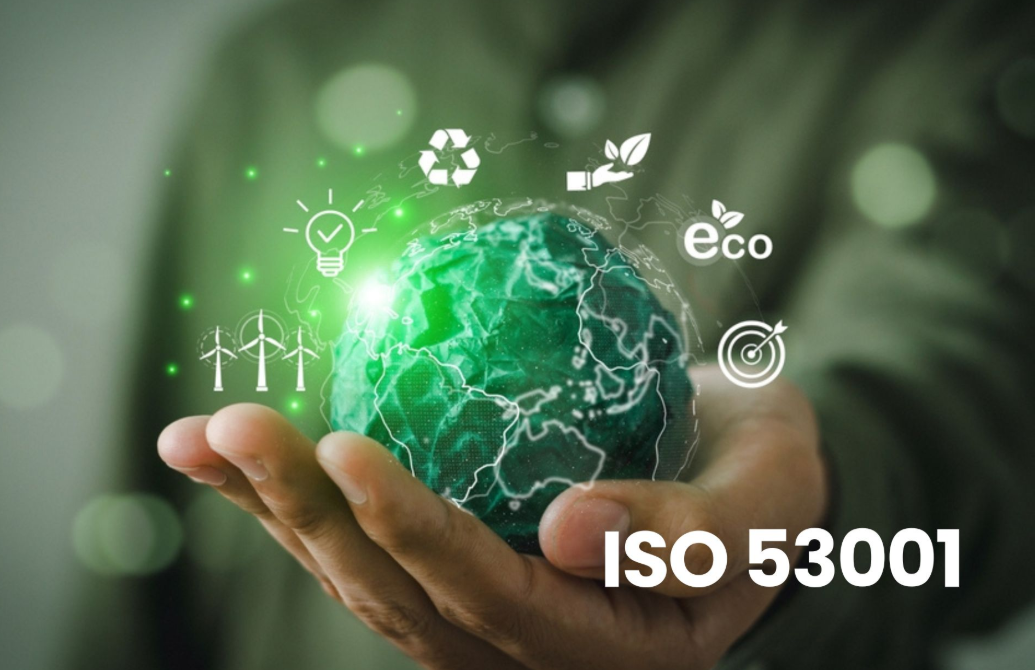
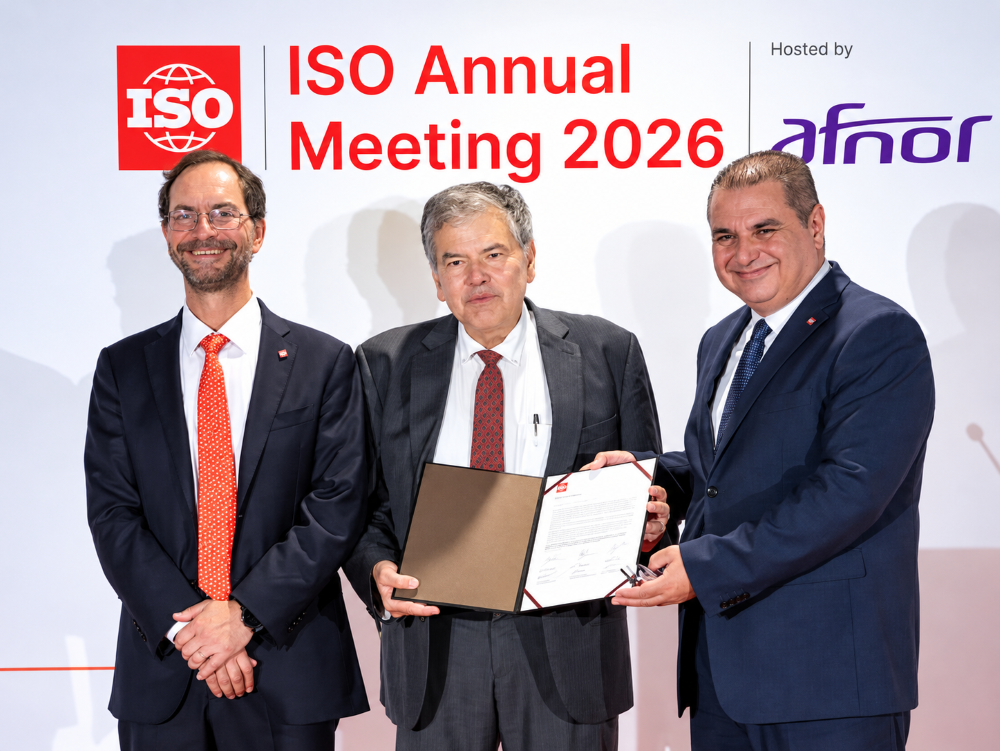
From September 28 to October 2, the 2026 International Organization for Standardization (ISO) Annual General Meeting, hosted by the French Standards Association (AFNOR), was successfully held in Paris, France. As AFNOR celebrated its 100th anniversary, representatives from standardization bodies, policymakers, industry experts, and industry representatives from more than 170 countries and regions around the world gathered in Paris to discuss the key role of international standards in addressing common global challenges. The theme of this year’s conference was “Building Trust in a Changing World.” The agenda centered on three key areas: “People and the Planet,” “Emerging Technologies and Artificial Intelligence,”“Trade and Development.” On the first day of the conference, ISO/UNDP 53001:2026, “United Nations Sustainable Development Goals Management System—Requirements,” was released to help organizations transform the Sustainable Development Goals from commitments into actions that can be managed, implemented, and measured. The conference also hosted a special session on the new ISO 9001 Quality Management System standard, featuring discussions on how quality management can help organizations turn trust into a strategic advantage. This year’s conference heard the ISO Secretary-General’s work report and focused on reviewing major governance matters, including the implementation of “ISO Strategy 2030,” the digital transformation of standards, business policy, the election of governance officers for the 2027–2029 term, and the 2027 financial budget. The winners of the 2026 Lawrence E. Archer Leadership Award were also announced. Throughout its century-long history, AFNOR has consistently been a key participant and driving force in global standardization governance. During the meeting, following a proposal by AFNOR and approval by ISO members, ISO officially released the “Paris Declaration” on addressing climate change in the global standards sector, calling on member countries to rely on international standards to strengthen climate adaptation capacity and development resilience, and to advance the implementation of the global Sustainable Development Goals.

Read more "
Taiwan

"Fobiao International Certification" Completes ISO 14064-1 Greenhouse Gas Inventory Verification for "Formosa Biotech"

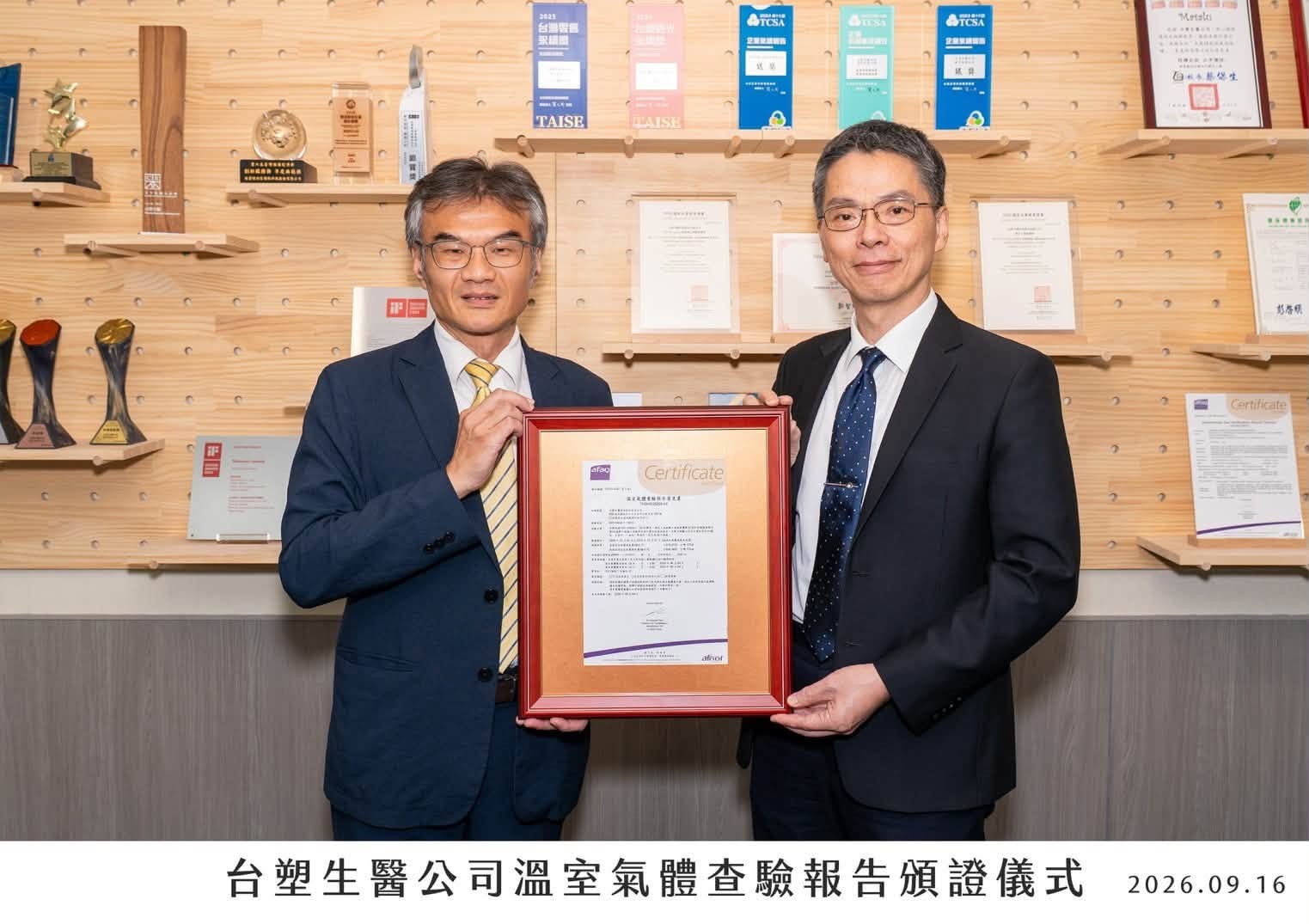
“Fabao International Certification” recently announced that “Formosa Biotech” has successfully passed the ISO 14064-1:2018 greenhouse gas inventory verification, and a certification ceremony was held recently. This verification confirms that the company’s greenhouse gas emissions data and management system comply with international standards. As an internationally recognized third-party verification body, “Fabo International Certification” conducted this verification in accordance with the ISO 14064-1 standard,and conducted an independent assessment of Formosa Biotech’s organizational boundaries, identification of emission sources, and data collection and calculation processes. The verification process confirmed that the company has established a systematic foundation for carbon management, and that its inventory results are complete and reliable, serving as a basis for developing future carbon reduction strategies. To promote sustainable development, “Formosa Biotech” has not only completed its greenhouse gas inventory but has also implemented the principles of the circular economy in its product bottle recycling program, enabling resources to re-enter the circular system and reducing resource consumption and carbon emissions at the source. Through systematic management, the company has demonstrated concrete actions ranging from carbon inventory and carbon reduction initiatives to resource recycling. The professional verification team at “Fabao International Certification” noted that a company’s successful verification of its greenhouse gas inventory indicates it has established a credible carbon management mechanism capable of assessing its environmental performance using scientific data. “Formosa Biotech” has established a management system compliant with international standards, setting an important practical example for the net-zero transition of Taiwan’s biotech industry. “Fabao International Certification” has long provided greenhouse gas inventory verification services, assisting various industries in establishing credible environmental performance data. In the future, it will continue to promote the implementation of low-carbon sustainability goals across Taiwan’s industries through professional verification.

Read more "
Back to top