Logo_100yearsAfnor_CMYK_White
Home > International news > ISO 17298: A universal approach to integrating biodiversity into organizational strategies.

ISO 17298: A universal approach to integrating biodiversity into organizational strategies.

Facebook
Email
Twitter
LinkedIn
Agri-food expertise

In view of the accelerating loss of biodiversity worldwide, it is imperative that organizations have organized instruments to intervene in a tangible and coherent way. It is in this context that the voluntary ISO 17298 standard has been set up, as the first global standard entirely dedicated to biodiversity. Initiated by AFNOR International, which chairs the ISO/TC 331 " Biodiversity " technical committee, this standard represents a global reference for the integration of biodiversity issues into management systems.

🌱 An organized response to a global challenge

ISO 17298 follows on from the Global Biodiversity Framework adopted at Kunming-Montreal (COP 15). It provides entities such as businesses, government institutions, local authorities and NGOs with a structured method for identifying their interactions with ecosystems, judging the resulting risks and opportunities, and establishing appropriate action plans. Similar toISO 14001, which focuses on the environment,ISO 17298 promotes a continuous improvement approach, encouraging the incorporation of biodiversity into Corporate Social Responsibility (CSR ) policies and sustainability plans.

🔍 An international standard, promoted by the AFNOR Group

AFNOR International occupies a central position in international standardization concerning biodiversity. Since 2020, our organization has chaired the ISO/TC 331 committee, bringing together specialists from different fields to establish international standards for biodiversity management. These collaborative efforts have resulted in ISO 17298, which is based on practical experience and existing standards, such as the French NF X32-001, used as a technical foundation.

📈 Tangible benefits for organizational structures

Adopting ISO 17298 gives organizations the opportunity to :

  • Prepare for increasingly stringent requirements for non-financial reporting, particularly in the context of international standards.
  • Increase their attractiveness to ESG-conscious investors and lenders.
    Facilitate access to green financing.
  • Enter new markets by showcasing their dedication to biodiversity.

The standard will be prioritized at the next Conference of the Parties (COP) on biodiversity, to be orchestrated by the UN in Armenia in 2026.

🛠️ Certification and training: tangible intervention tools

AFNOR International offers organized support to organizations wishing to implement ISO 17298. Our AFAQ Biodiversité certification, which is based on the NF X32-001 standard, will soon be updated to include the requirements of the international standard. At the same time, our training program helps professionals strengthen their skills in biodiversity issues, double materiality (inside-out / outside-in), and related management tools.

🌐 A global perspective, a local influence

Biodiversity is much more than just an environmental issue: it's an essential element of economic resilience. Companies have an impact on ecosystems - through their operations, their supply chains, their locations - while also being dependent on them.LISO 17298 formalizes this interdependence and suggests an approach for integrating it into strategic decision-making.

Read more :
latest news
from the international network

Agri-food expertise
Taiwan

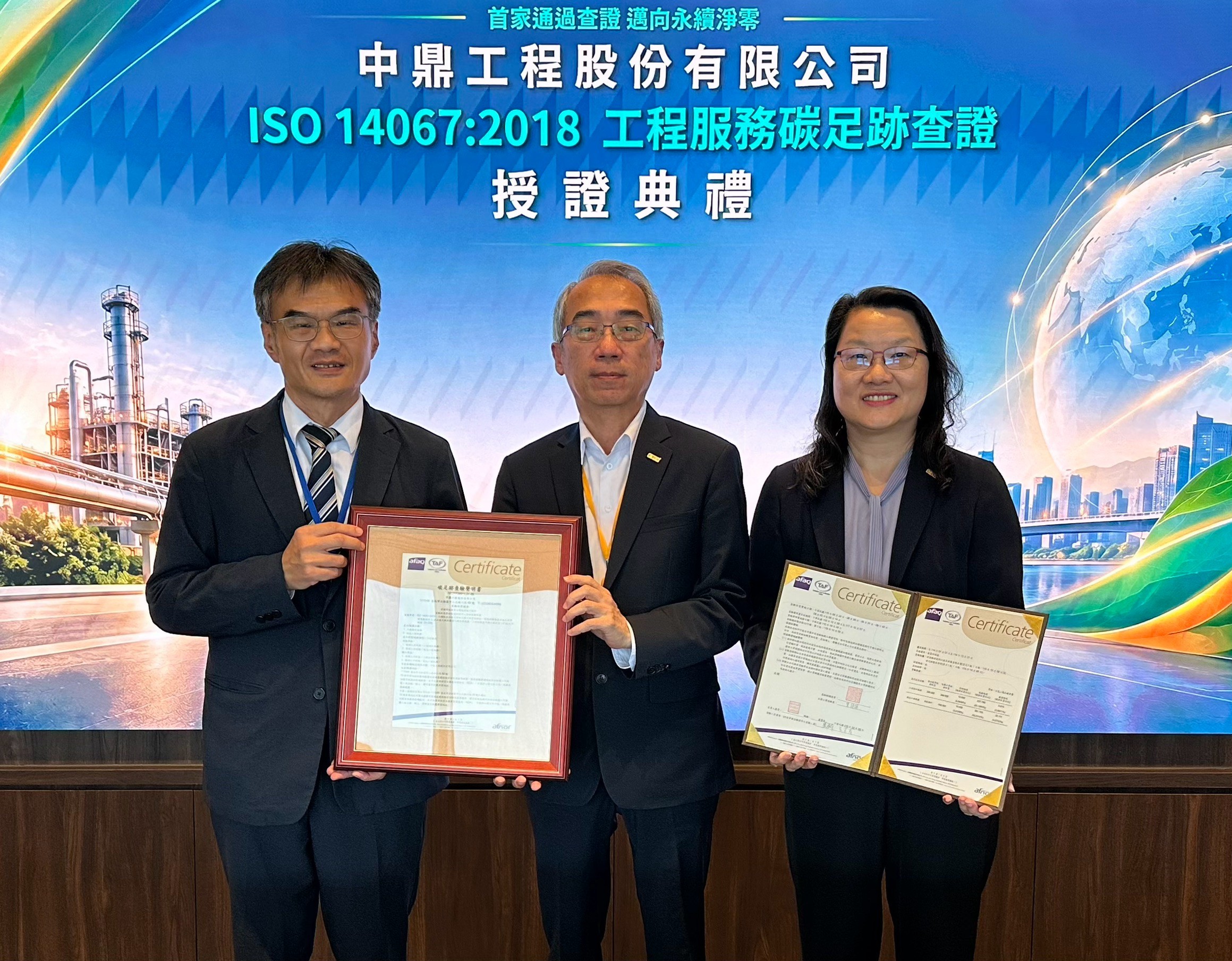
"Fobiao International Certification" Completes ISO 14067 Carbon Footprint Verification for "Zhongding Engineering"

“Fabao International Certification” recently announced that “Zhongding Engineering” has successfully completed ISO 14067:2018 product carbon footprint verification, with the scope of verification covering engineering design services and turnkey engineering services. This verification confirms that the company’s carbon emissions data and management system for its engineering services comply with international standards, making it the first company in Taiwan to complete verification in accordance with the Product Category Rules (PCR) for engineering services. As an internationally recognized third-party verification body, “Fabao International Certification” conducted this verification in accordance with the ISO 14067 standard,and conducted an independent assessment of the carbon footprint scope definition, data collection, calculation methods, and selection of emission factors for “CECC Engineering” services. The verification scope covered life cycle stages ranging from raw material procurement and service delivery to waste disposal. The verification process confirmed that the carbon footprint data possess completeness, consistency, and transparency. “Zhongding” uses “each working hour” as the functional unit to minimize the impact of differences in the scale and nature of various engineering projects on the assessment results, thereby establishing a consistent calculation benchmark. Through systematic inventory assessments, the company has identified carbon emission hotspots in its engineering services, providing a scientific basis for subsequent carbon reduction measures. This verification demonstrates concrete actions taken by the engineering services industry to integrate environmental performance into its management systems. The professional verification team at “Fabao International Certification” noted that the engineering services’ successful product carbon footprint verification signifies that the company has established a quantifiable and verifiable foundation for carbon management. “CEC” has established a management system compliant with international standards, creating an important practical example for the net-zero transition of Taiwan’s engineering industry. “Fabao International Certification” has long provided product carbon footprint verification services, assisting various industries in establishing credible environmental performance data. In the future, it will continue to promote the implementation of low-carbon sustainability goals in the engineering and related industries through professional verification. This year’s conference heard the ISO Secretary-General’s work report and focused on reviewing the implementation of “ISO Strategy 2030,” the digital transformation of standards, commercial policy,the election of governance officials for the 2027–2029 term, and the 2027 financial budget, among other major governance matters, and announced the winners of the 2026 Lawrence E. Archer Leadership Award. Throughout its century-long history, AFNOR has consistently been a key participant and driving force in global standardization governance. During the conference, following a proposal by AFNOR and approval by ISO members, ISO officially released the “Paris Declaration” on addressing climate change in the global standards sector, calling on member countries to leverage international standards to strengthen climate adaptation capacity and development resilience, and to advance the implementation of the global Sustainable Development Goals.

Read more "
Back to top