Logo_100yearsAfnor_CMYK_White

Fighting bullying at school: Italian initiative inspires global response

Facebook
Email
Twitter
LinkedIn
Agri-food expertise

School bullying is a scourge affecting millions of children and teenagers around the world. In Italy, the situation is particularly worrying, with one child in two affected by bullying. The age bracket at risk is between 11 and 17. Faced with this challenge, Italy has taken proactive steps by publishing the UNI/PdR 42:2018 standard. It establishes criteria and requirements for preventing and combating bullying in schools. This initiative could well serve as a model for global action.

The UNI/PdR 42:2018 standard has been drawn up thanks to the collaboration of organizations such as ACCREDIA, UNI, FIDAE, ISRE and MOIGE. It is a document available in Italian and English, designed to be applicable at national and international level. It proposes an anti-bullying management system that all educational establishments are encouraged to adopt. This includes training centers, boarding schools and leisure centers attended by minors.

The Italian approach is innovative in that it enables schools to receive "anti-bullying" certification from an accredited body. This is conditional on demonstrating compliance with the standard's requirements. This certification is based on the UNI CEI EN ISO/IEC 17021-1 standard, and represents a world first in the field of anti-bullying certification.

The importance of this standard lies in its holistic approach. It is not limited to the implementation of policies and procedures, but also includes an analysis of the causes of harassment. It also looks at the tools needed to combat it effectively. Schools need to draw up an action plan with measurable objectives. For example, reducing the number of harassment complaints or increasing participation in awareness-raising activities.

The development of the UNI/PdR 42:2018 standard is an example of how technology can serve humanity. It puts people at the center of concerns. This approach is all the more relevant as bullying is not a problem isolated to Italy. It's a global crisis requiring a coordinated response.

Italy, as a pioneer in the process of accredited anti-harassment certification, offers a precedent. Other countries could follow suit. The translation of the standard into English is a step towards facilitating its international adoption. This will enable other nations to benefit from the Italian experience.

As harassment and cyberstalking continue to grow globally, initiatives such as UNI/PdR 42:2018 are essential to provide frameworks and best practices. It is imperative that international educational communities take note of these developments and consider similar measures to protect children and young people, ensuring a safe and inclusive learning environment for all.

Read more

latest news
from the international network

Agri-food expertise
Taiwan

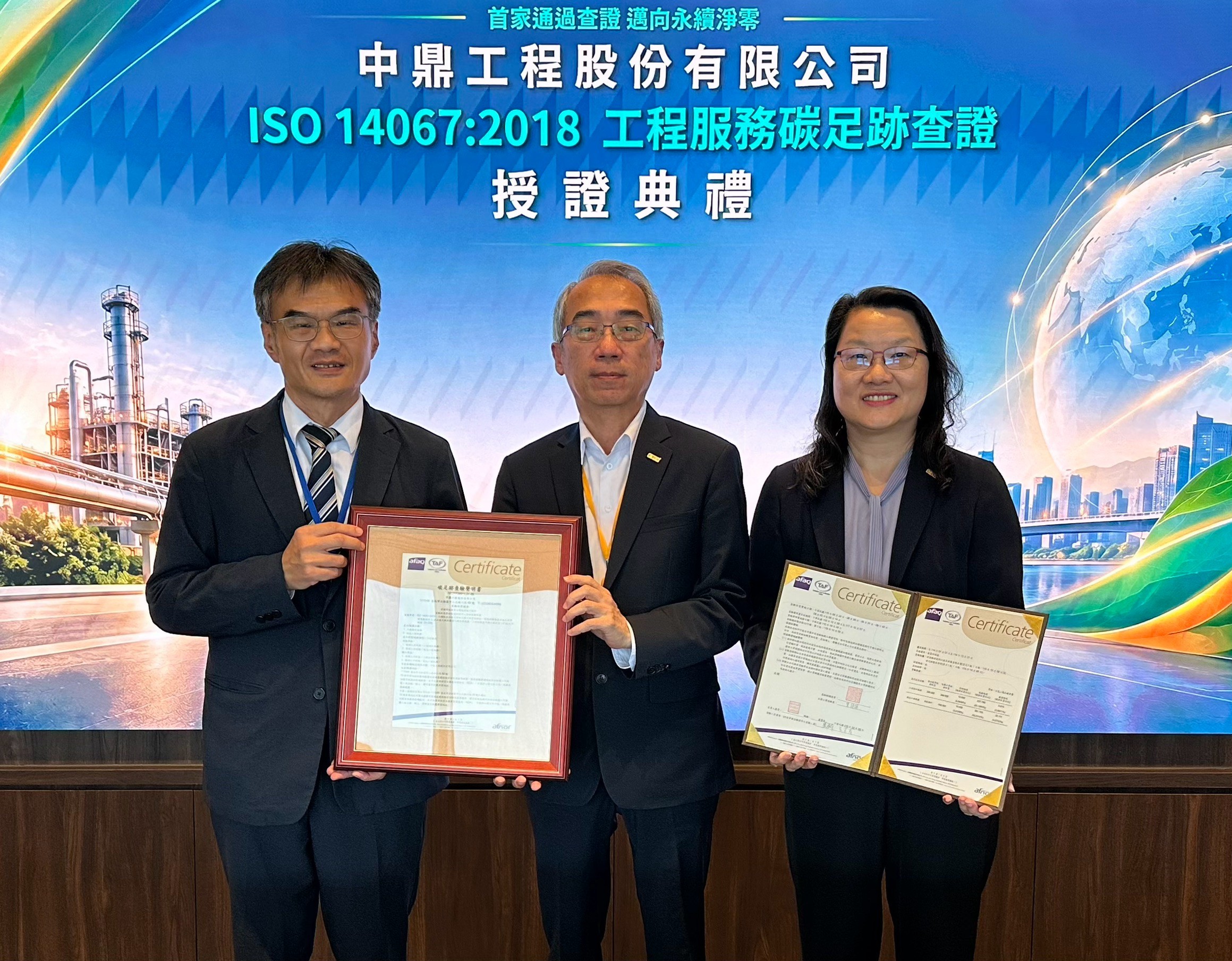
"Fobiao International Certification" Completes ISO 14067 Carbon Footprint Verification for "Zhongding Engineering"

“Fabao International Certification” recently announced that “Zhongding Engineering” has successfully completed ISO 14067:2018 product carbon footprint verification, with the scope of verification covering engineering design services and turnkey engineering services. This verification confirms that the company’s carbon emissions data and management system for its engineering services comply with international standards, making it the first company in Taiwan to complete verification in accordance with the Product Category Rules (PCR) for engineering services. As an internationally recognized third-party verification body, “Fabao International Certification” conducted this verification in accordance with the ISO 14067 standard,and conducted an independent assessment of the carbon footprint scope definition, data collection, calculation methods, and selection of emission factors for “CECC Engineering” services. The verification scope covered life cycle stages ranging from raw material procurement and service delivery to waste disposal. The verification process confirmed that the carbon footprint data possess completeness, consistency, and transparency. “Zhongding” uses “each working hour” as the functional unit to minimize the impact of differences in the scale and nature of various engineering projects on the assessment results, thereby establishing a consistent calculation benchmark. Through systematic inventory assessments, the company has identified carbon emission hotspots in its engineering services, providing a scientific basis for subsequent carbon reduction measures. This verification demonstrates concrete actions taken by the engineering services industry to integrate environmental performance into its management systems. The professional verification team at “Fabao International Certification” noted that the engineering services’ successful product carbon footprint verification signifies that the company has established a quantifiable and verifiable foundation for carbon management. “CEC” has established a management system compliant with international standards, creating an important practical example for the net-zero transition of Taiwan’s engineering industry. “Fabao International Certification” has long provided product carbon footprint verification services, assisting various industries in establishing credible environmental performance data. In the future, it will continue to promote the implementation of low-carbon sustainability goals in the engineering and related industries through professional verification. This year’s conference heard the ISO Secretary-General’s work report and focused on reviewing the implementation of “ISO Strategy 2030,” the digital transformation of standards, commercial policy,the election of governance officials for the 2027–2029 term, and the 2027 financial budget, among other major governance matters, and announced the winners of the 2026 Lawrence E. Archer Leadership Award. Throughout its century-long history, AFNOR has consistently been a key participant and driving force in global standardization governance. During the conference, following a proposal by AFNOR and approval by ISO members, ISO officially released the “Paris Declaration” on addressing climate change in the global standards sector, calling on member countries to leverage international standards to strengthen climate adaptation capacity and development resilience, and to advance the implementation of the global Sustainable Development Goals.

Read more "
Back to top